
Blog

Understanding Full-Spectrum CBD vs. CBD Isolate for Cannabis Extraction

Understanding Full-Spectrum CBD vs. CBD Isolate for Cannabis Extraction

As CBD distillate products become commonplace household items in countries throughout the world, new descriptors are emerging that the average consumer may not be familiar with. One such example is a classifier for CBD distillate products that distinguishes them between being a “CBD isolate” or “full-spectrum CBD distillate”. You may be asking yourself what the difference is, and what products are right for you.

What is Full-Spectrum CBD Distillate?

Full-spectrum CBD distillate contains high concentrations of CBD, but also contains other terpenes and cannabinoids. These distillates may contain up to 0.3% tetrahydrocannabinol (THC) (depending on where you are located), which is not enough THC to cause real inebriation or psychoactive effects, but enough to allow for the benefits of the “entourage effect”.

The entourage effect is the popular anecdotal opinion that the sum of the cannabinoids, terpenes, and other compounds found in cannabis plants produces an effect that is greater than each of the individual compounds can achieve on its own (learn more about the entourage effect here). The other cannabinoids and terpenes found in full-spectrum CBD distillates have been shown to work in conjunction with one another to offer broader health benefits than fully isolated CBD. This is why some people prefer full-spectrum CBD distillate over CBD isolate.

What is CBD Isolate?

CBD isolate is the pure form of cannabidiol (CBD) without any other terpenes or cannabinoids. Usually distilled from hemp plants (learn more about the difference between hemp and cannabis), it is so refined that it has no taste or odor or any compounds other than CBD.

CBD isolates can be useful for people who want to explore the proposed health benefits of CBD, without worrying about the psychoactive effects usually associated with cannabis use. While CBD isolate is great for this purpose, research has suggested that isolated CBD is less effective when compared to full-spectrum distillates because CBD may require the presence of other cannabinoids and terpenes for it to be absorbed fully into the body’s endocannabinoid system.

How does CBD isolation effect the cannabis extraction process?

If you want to create CBD isolate, you will need a much more refined distillate product that goes through additional processing than if you were creating a full-spectrum CBD distillate. To isolate the CBD compound and remove all other cannabinoids and terpenes requires further separation and remediation processes after the hemp biomass has been processed into CBD distillate.

It’s easiest to think about this process in a series of steps. The first step is to turn your hemp into CBD distillate. This distillate could likely be used in full-spectrum CBD products, or it could be further refined to remove all other compounds, isolating just the CBD. Both types of products offer differing health benefits, and it is recommended that you consult a professional and be conservative in your dosing when trying these products for the first time.

If you’re a hemp or cannabis cultivator, processor, or product formulator hoping to produce full-spectrum CBD distillate, we walk to talk! Our turnkey mobile labs arrive at your facility within 4-6 months and require a $0 lab CAPEX, and are capable of producing THC-free CBD isolate. Please contact us to learn about becoming an extractX partner.

Follow us on social media or sign up for our newsletter for company updates and more content like this.
    Subscribe to*:

    Blog

    Understanding GMP for Cannabis Extraction Labs

    Understanding GMP for Cannabis Extraction Labs

    What is GMP?

    Cannabis start-ups around the world are looking to meet the growing demand for pharmaceutical grade cannabis distillate, but unless you have an engineering background, you may find yourself wondering what GMP regulations are and how they will impact your business. The purpose of GMP standards is to protect consumers from sub-par quality products by enforcing strict reporting, equipment cleaning, quality management, and documentation and application of standard operating procedures (SOPs).

    “Essentially, GMP ensures a universal minimum standard of quality to protect consumers (Cannabis Business Executive).” GMP stands for Good Manufacturing Practices and outlines a set of requirements throughout the production process for foods, supplements, and pharmaceuticals to ensure those products meet quality control standards.

    Why is GMP important for cannabis extraction?

    It’s first important to note that the application of GMP principles in the cannabis industry is fairly new, as governing bodies would not recognize the legitimacy of working with hemp or cannabis until it was decriminalized by the United States and other nations. As cannabis products become more mainstream globally for the treatment of many health conditions, we are seeing more and more involvement from governmental organizations to ensure that cannabis products are meeting the highest standards of quality.

    How GMP standards impact the cannabis extraction process (as well as the cultivation and product formulation processes) depends on where and how the finished products will be used. Pharmaceutical grade products are subject to the highest scrutiny and quality standards, even more so than food grade products. For the cultivator, extractor, or product formulator, the question isn’t whether GMP will impact their work, but to what level of GMP standards they must confirm to.

    extractX mobile labs

    While they are the costliest to abide by, pharmaceutical grade GMP standards create the best consumer products, and satisfy all other classes of GMP standards (food grade, nutraceuticals, dietary supplements, etc.). It is safe to say that if your facility and extraction lab meet pharmaceutical grade GMP standards, your finished product will be accepted by local Authority Having Jurisdictions (AHJs) wherever cannabis products are legal for sale and consumption.

    GMP Requirement

    • Design, construction, and location of all equipment must permit easy cleaning, sanitizing, and inspection. Maintenance and usage logs must be kept up to date.
    • Personnel must be aware of the principles of GMP that affect them. Operators must be trained to carry out and document procedures, and training records must be properly maintained. Instructions and procedures are written in clear and easy-to-understand language.
    • A written sanitation program will ensure the cleanliness of the premises, of any and all equipment used in your operations, and ensure employees are trained in and follow all required sanitation procedures.

    extractX Solution

    • Lab surfaces are selected to permit easy cleaning. Hatches provide access to difficult to clean areas. Maintenance and upgrades are the responsibility of extractX and staff are trained to update usage logs.
    • extractX manages the hiring and ongoing training for all lab staff. Staff are trained to document procedures up to GMP pharmaceutical standards. Documented standard operating procedures (SOPs) are provided by extraxtX.
    • Staff are trained on sanitation procedures for all surfaces and equipment. Staff are trained to maintain proper usage logs of all cleaning and sanitation activities.

    If you’re exploring the pharmaceutical grade cannabis product market or want to elevate your product quality from food grade to pharma, you may be able to leverage an extractX mobile lab. These labs are built to pharmaceutical grade GMP standards off-site and delivered to your facility ready to operate within 4 months of contract for $0 lab CapEx. Please contact us to learn about becoming an extractX partner.

    Follow us on social media or sign up for our newsletter for company updates and more content like this.
      Subscribe to*:

      Blog

      What is CBG and how is it extracted from cannabis?

      What is CBG and how is it extracted from cannabis?

      What is CBG?

      Cannabigerol (CBG), like THC or CBD, is a naturally occurring chemical compound found in cannabis. This cannabinoid is often found in very low concentrations in hemp and cannabis biomass (usually less than 1%). Though CBG is considered a minor cannabinoid, recent research suggests that it may offer remarkable health benefits.

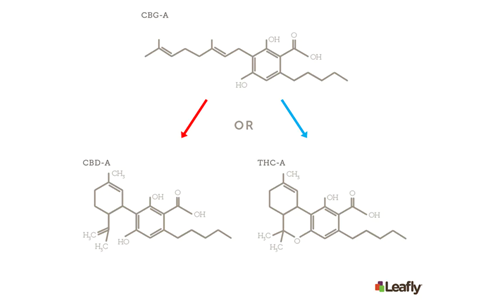
      CBGA is the acidic form of CBG, and is considered the precursor to all other cannabinoid lines (which include THC and CBD after the decarboxylation process). As cannabis plants age or are exposed to heat, CBGA breaks down into tetrahydrocannabinolic acid (THCA), cannabidiolic acid (CBDA), cannabichromenic acid (CBCA), and very small concentrations of other cannabinoids like CBG.

      CBG Molecular Structure

      CBGA breaks down into THCA, CBDA, CBCA and small concentrations of other cannabinoids like CBG. Image source.

      What are the potential health benefits of CBG?

      Recent research into CBG has hinted that this cannabinoid may provide remarkable health benefits. This has contributed to an increasing demand for CBG distillate products to treat a variety of ailments such as:

      Note: research into CBG is fairly new, and these claims will need to be further validated by additional research. More information can be found here.

      • Glaucoma
      • Huntington’s disease
      • Cancer
      • Bladder dysfunction disorders
      • Bacterial infections
      • Depression and anxiety
      • Epilepsy seizures
      • Insomnia
      • Skin irritations

      Did you Know?

      A recent study indicates that CBG may have therapeutic potential in treating neurological, gastrointestinal, and metabolic disorders.

      To read more, click here.

      Note: research into CBG is fairly new, and these claims will need to be further validated by additional research. More information can be found here.

      How to extract CBG from cannabis?

      Since CBG naturally occurs in cannabis in such low concentrations, the journey towards isolating pure CBG extract starts at the breeding and cultivation stage. Interbreeding strains with high CBG concentrations increases your ability to extract the cannabinoid and harvesting plants at an earlier stage in the growth cycle increases your chances that the CBGA has not been converted into other cannabinoids.

      CBG is extracted from cannabis biomass through an extraction process similar to the one used in extracting CBD or THC. extractX mobile labs use a closed-loop ethanol extraction process to create cannabis distillate and a further process that allows us to separate CBG from other cannabinoids.

      extraction as a service

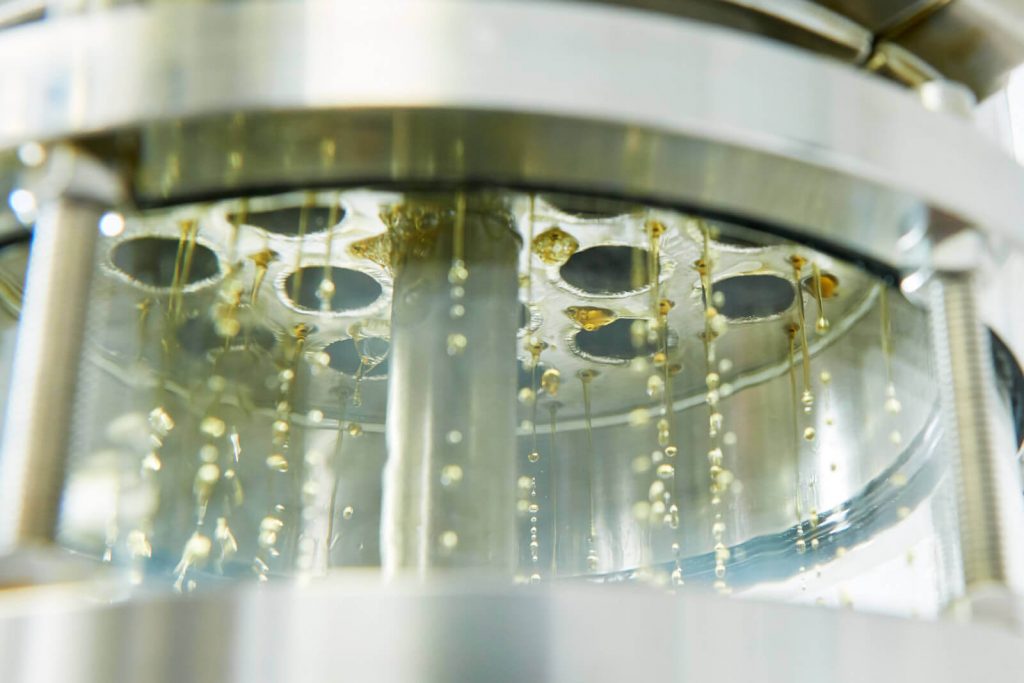
      CBG is extracted from cannabis distillate through a further separation process.

      extractX Mobile Labs

      If you’re a hemp or cannabis cultivator, processor, or product formulator hoping to expand into producing CBG extract, we walk to talk! Our turnkey mobile labs arrive at your facility within 4-6 months and require a $0 lab CapEx. Please contact us to learn about becoming an extractX partner.

      Follow us on social media or sign up for our newsletter for company updates and more content like this.
        Subscribe to*:

        Blog

        Understanding Decarboxylation in Cannabis Extraction

        Understanding Decarboxylation in Cannabis Extraction

        What is Decarboxylation?

        Decarboxylation is the process that activates compounds found in cannabis like THC and CBD so that they may be absorbed into the human body, and their medicinal or recreational effects may be felt. In its raw form, hemp and cannabis biomass usually contains high concentrations of tetrahydrocannabinolic acid (THCA) and/or cannabidiolic acid (CBDA).

        To simplify things, we can consider THCA as the raw, unprocessed form of THC. It does not cause any inebriating or euphoric effects. Similarly, CBDA is essentially the raw form of CBD. While THCA and CBDA have been shown to provide their own health benefits in recent studies, modern consumers are mainly interested in the inebriating properties and health effects of the THC and CBD cannabinoids.

        How Does Decarboxylation Occur?

        Decarboxylation either happens gradually over time, or more rapidly under the influence of heat. Until the consumer market was created for cannabis edibles and tinctures, little knowledge of the decarboxylation process was required by the average cannabis consumer. This is because the decarboxylation process occurs naturally when cannabis is smoked or vaporized, instantly converting the THCA and CBDA into THC and CBD, which is then absorbed into the lungs.

        Processing Biomass in eXi Mobile Extraction Lab

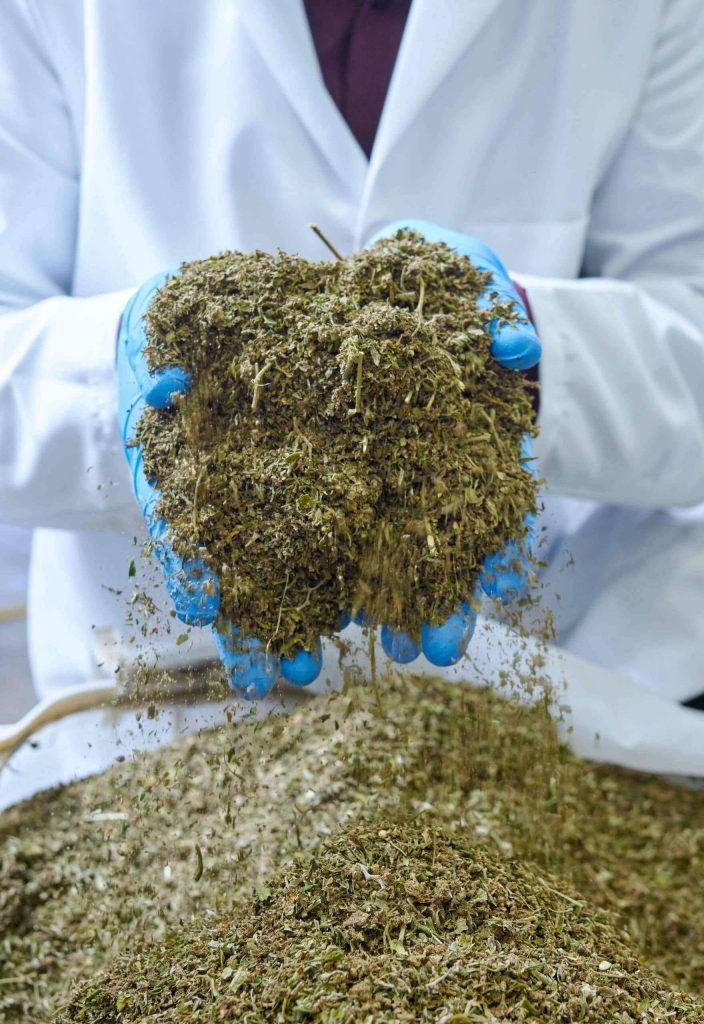
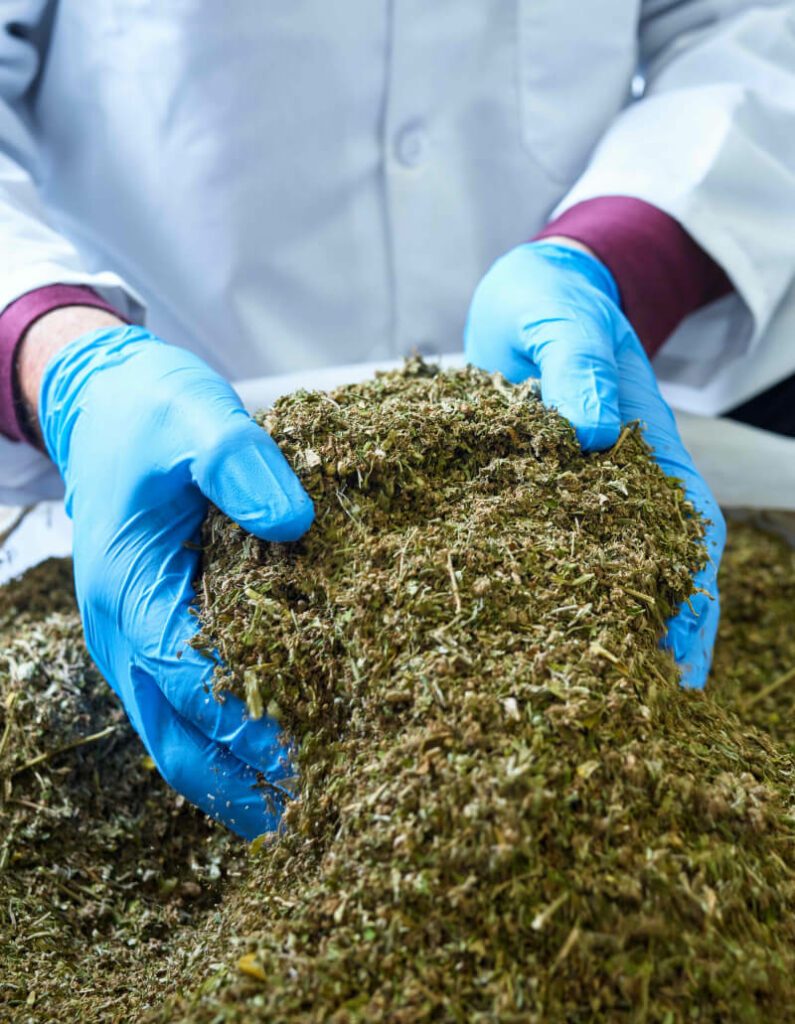
        Raw cannabis biomass contains THCA and CBDA, requiring a decarboxylation process to turn these compounds into THC and CBD.

        As the demand for these ingestible products has steadily increased, experts in the cannabis industry have had to gain an understanding of decarboxylation on a much deeper level, especially when faced with the challenge of producing THC and CBD distillate at a large scale.

        Why is Decarboxylation Necessary in Cannabis Extraction?

        The reason decarboxylation is a necessary stage in the cannabis extraction process is that edible cannabis products containing THCA and CBDA won’t cause the desired medical or recreational effects when ingested. These cannabinoids must first be subjected to a decarboxylation process that will allow them to become stable versions of the THC and CBD cannabinoids. Distillates containing these cannabinoids can then be added to edible products and will be able to produce the desired effects when ingested orally by a consumer.

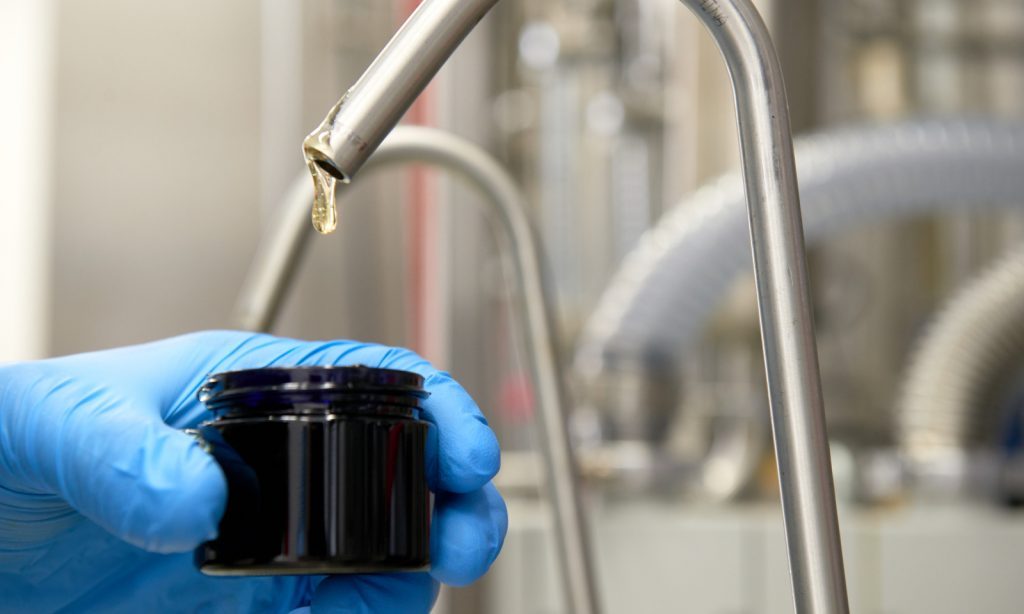
        Storing extracted oil

        Hemp and cannabis biomass must be subjected to a decarboxylation process before being turned into THC or CBD distillate.

        extractX Mobile Labs

        If you’re a hemp or cannabis cultivator, processor, or formulator creating CBD or THC products, and want to penetrate markets faster with no lab CapEx, then a mobile extraction lab may be right for you. If you are processing more than 75,000 lbs of biomass per year and are interested in a turnkey extraction lab for $0 lab CapEx and 4 months to installation, we want to talk to you today! Please contact us to learn about becoming an extractX partner.

        Follow us on social media or sign up for our newsletter for company updates and more content like this.
          Subscribe to*:

          Blog

          The Difference Between Hemp and Cannabis

          The Difference Between Hemp and Cannabis

          As hemp and cannabis becomes legal for medicinal and sometimes recreational use in countries around the world, it’s never been a better time to educate yourself on the difference between hemp and cannabis.

          Distinguishing Hemp from Cannabis

          It’s important to note that hemp and marijuana are two different species of the same plant. Oftentimes when people refer to “cannabis,” they actually mean a marijuana strain of the cannabis plant, as opposed to a hemp strain. From a biological classification standpoint, they are the same thing, but from a legal perspective, they are very distinct.

          The major distinguishing factor between hemp and marijuana in the eyes of the legal system is the tetrahydrocannabinol (THC) content found in the plant. THC is only one of many types of cannabinoids found in the cannabis plant, but it’s the one that causes inebriation in consumers (click here to learn about the Top 10 Cannabinoids and Their Uses). This is why the differentiation is important – any cannabis with a lower THC content is considered a “harmless plant”, whereas cannabis with a higher THC content is considered a “drug”.

          Distinguishing hemp from cannabis

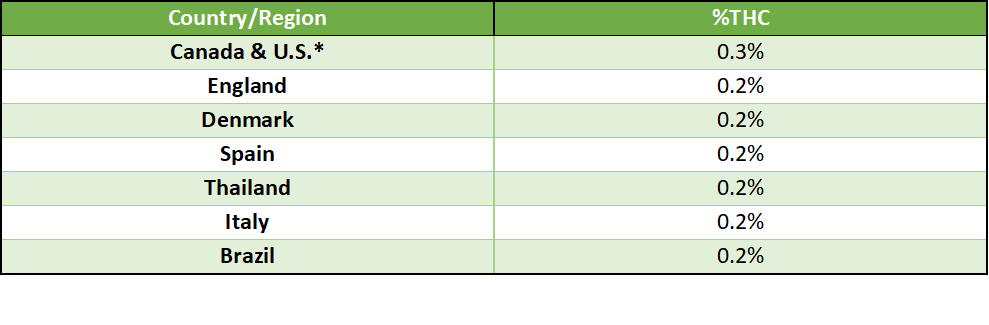
          Many countries use THC percentage as the metric for distinguishing hemp from cannabis.

          THC Percentages Tolerated Globally

          The THC content tolerated before the cannabis plant is classified as marijuana differs by region. In the table below, we see some examples of the THC percentage tolerated by different countries.

          THC Percentages Tolerated Globally

          *may differ by state. Refer to this document for further information on cannabis policy.

          The metric for percentage of THC tolerated by region has become an incredibly important number for hemp cultivators and CBD product brands, as well as the companies trying to support them. Businesses and individuals in the biotechnology, legal, financial, manufacturing, agricultural, extraction, and retail industries are pivoting their business models or starting new ventures to enter and assist this rapidly booming market.

          Creating High-Quality THC and CBD Distillate

          As the demand for THC and CBD distillate products steadily increases on a global scale, the demand for quality hemp and cannabis biomass has reached an all-time high. Expert cultivators have found ways to breed and grow cannabis strains with optimal concentrations of THC, CBD, and other cannabinoids, and are partnering with innovators in the extraction and product formulation industries to create some truly remarkable pharmaceutical, nutraceutical, and recreational products.

          Pros of ethanol extraction

          Creating high-quality THC and CBD distillate requires the best hemp and cannabis biomass and a great extraction partner like extractX.

          extractX Mobile Labs

          If you’re a hemp or cannabis cultivator, processor, or formulator creating CBD or THC products, and want to penetrate markets faster with no lab CapEx, then a mobile extraction lab may be right for you. If you are processing more than 75,000 lbs of biomass per year and are interested in a turnkey extraction lab for $0 lab CapEx and 4 months to installation, we want to talk to you today! Please contact us to learn about becoming an extractX partner.

          Follow us on social media or sign up for our newsletter for company updates and more content like this.
            Subscribe to*:

            Blog

            Top 10 Cannabinoids and Their Uses

            Top 10 Cannabinoids and Their Uses

            What Are Cannabinoids?

            Cannabinoids are chemical compounds found in the cannabis plant. In addition to the many valuable uses of hemp, these naturally occurring compounds are what make the cannabis plant so remarkable. There are thought to be dozens of different cannabinoids found in just a single strain of cannabis, the two most commonly known being tetrahydrocannabinol (THC) and cannabidiol (CBD).

            Top 10 Cannabinoids and Their Benefits

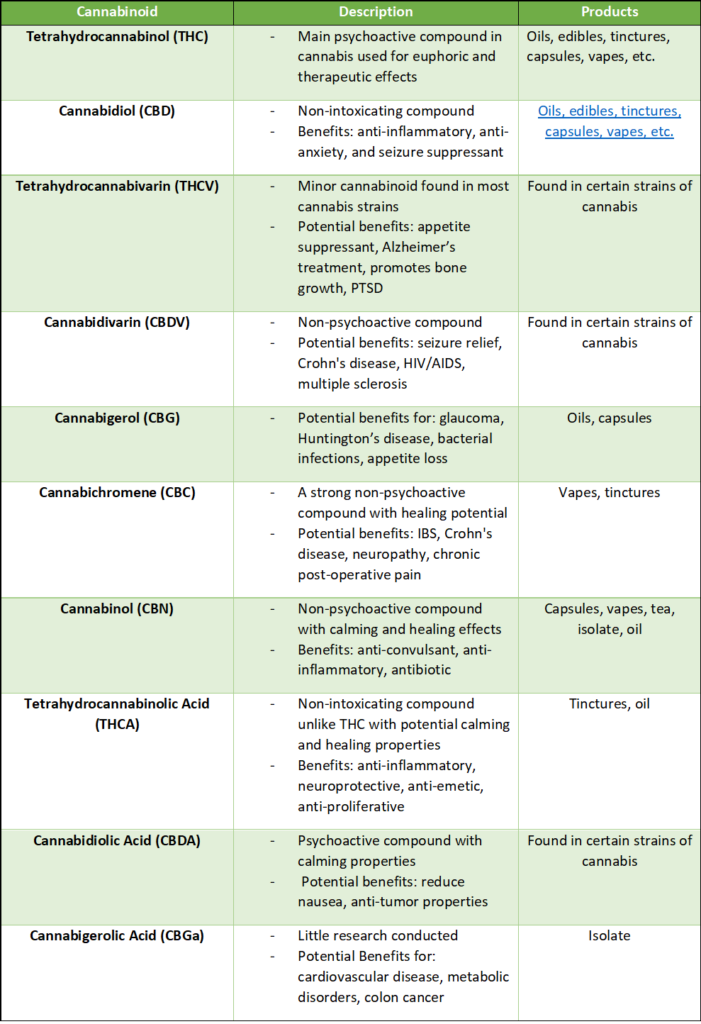
            Below are 10 of the top cannabinoids found in cannabis, along with the potential benefits, effects, and products in which they can be found.

            Top 10 Cannabinoids and Their Uses

            (learn more about these cannabinoids here)

            This chart illustrates the various compounds present in cannabis and paints a picture of the many health benefits humans can experience from these derivatives of the plant. As the cultivation and extraction industries continue to develop, we will see more and more uses for cannabinoids emerge, along with new products and an increased effort by governing bodies to conduct tests and studies to measure their effectiveness.

            Cannabis Extraction to Isolate Cannabinoids

            As we continue to develop our understanding of the types of cannabinoids and how they can be used to treat specific human ailments and illnesses, the demand for innovation in the extraction industry will continue to rise. A refinement of the process required to extract high-quality cannabis distillate, and to further separate and remediate that distillate to isolate the desired cannabinoids is the next innovative hurdle for the extraction industry, which is why we believe it’s so important to partner with an extraction company with tons of industry experience and a track-record of success.

            Pros of ethanol extraction

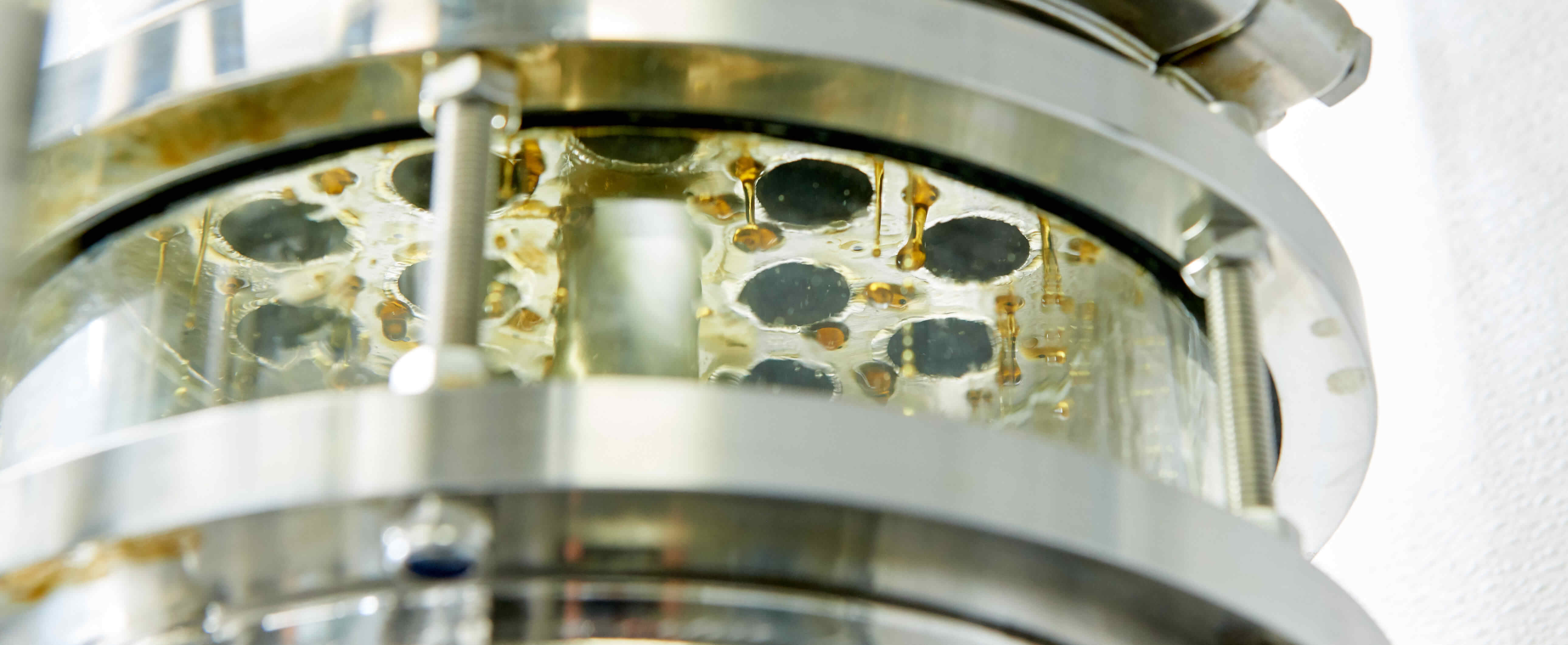
            Cannabis extraction, remediation, and separation are highly technical processes.

            extractX Mobile Labs

            If you’re a hemp or cannabis cultivator, processor, or formulator creating CBD or THC products, and want to penetrate markets faster with no lab CapEx, then a mobile extraction lab may be right for you. If you are processing more than 75,000 lbs of biomass per year and are interested in a turnkey extraction lab for $0 lab CapEx and 4 months to installation, we want to talk to you today! Please contact us to learn about becoming an extractX partner.

            Follow us on social media or sign up for our newsletter for company updates and more content like this.
              Subscribe to*:

              News Release

              2021 Year End Financial Results for Subsidiary extractX Incorporated

              extractX Ltd. Announces 2021 Year End Financial Results for Subsidiary extractX Incorporated

              Niagara, ON October 18, 2021

              extractX Ltd. (“extractX” or the “Company”), today announced financial results for its subsidiary extractX Incorporated (“EXI”) as at and for the year ended June 30, 2021. All figures are in Canadian dollars unless otherwise noted.

              “At this early stage in the Company, we are very excited to be successfully advancing our strategy to deploy mobile extraction labs on a global scale, and are on a near-term path to profitability,” said Albert Iannantuono, CEO of extractX. “Our mobile labs, built to EU-GMP standards, are the right solution for our extraction partners as they provide a turn-key extraction solution that is scalable and low risk, providing speed-to-market for our partner’s products.”

              2021 Operational Highlights

              During the year ended June 30, 2021 and following the successful operation and proof-of-concept of the prototype mobile lab (v1.0), the Company accelerated its sales and marketing efforts on a global scale. Targeted sales and marketing programs include digital media, discussion papers, webcasts, social media, and industry advertising that reach audiences globally.

              As a result of these focused sales and marketing activities, during the year ended June 30, 2021, the Company entered into two commercial contracts for the provision of extractX’s next generation mobile extraction labs (v2.0).

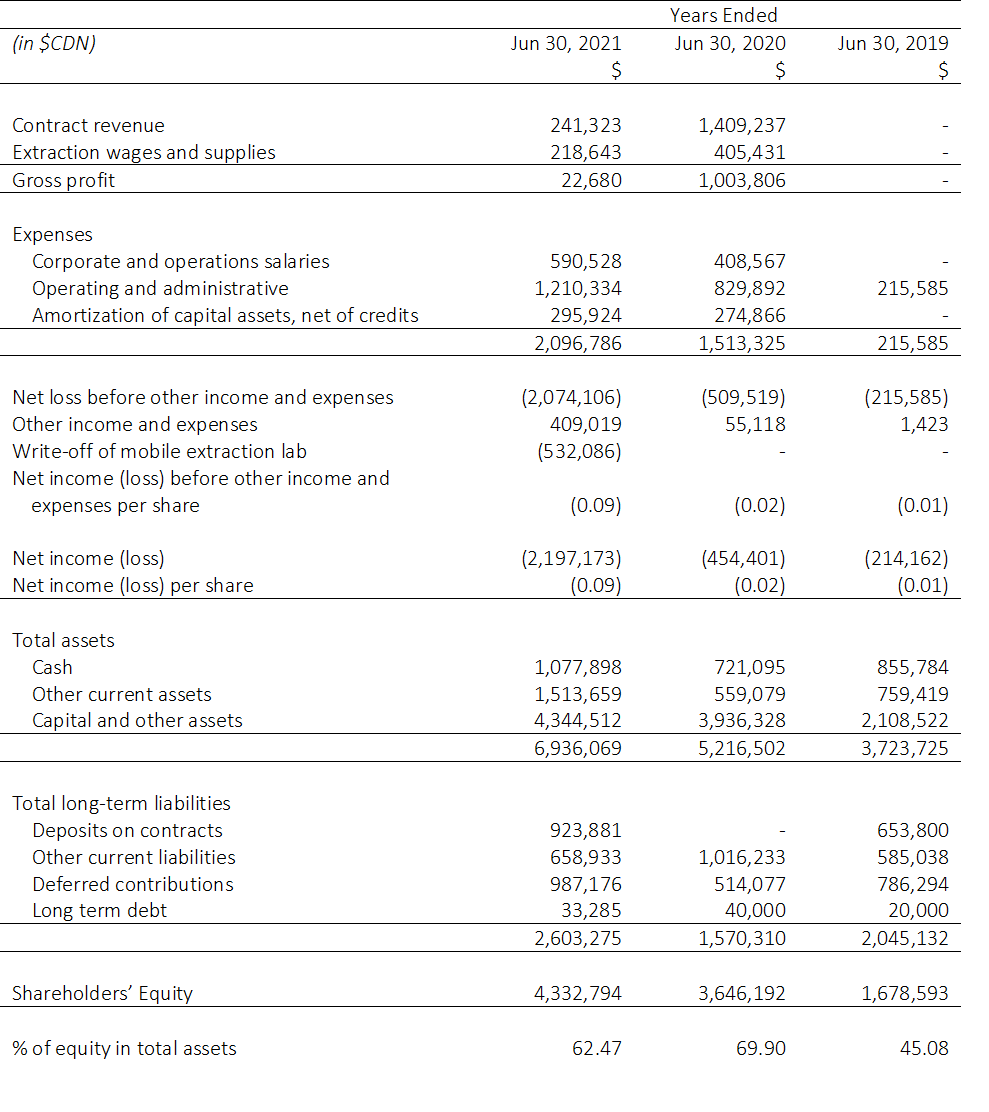
              • The first contract is for the provision and operation of a mobile extraction lab to a client partner in Franklin, Kentucky. The lab was successfully shipped in March 2021, and the extractX installation team completed the installation and commissioning of the lab within 4 weeks. The lab was operational shortly thereafter, and successfully processing biomass to distillate. During the initial phase of this three year contract the mobile lab generated $241,323 of revenue for the year ended June 30, 2021. Through the process, the extractX team identified and implemented additional productivity upgrades and operational changes as part of the Company’s continuous improvement program.
              • The second contract is for the provision of a mobile lab to a client partner in Chiang Mai, Thailand for a three year contract to process CBD from hemp. In mid-July 2021 the mobile lab was shipped from the manufacturing facility in Winnipeg and arrived in Chiang Mai on September 18, 2021. Using the Company’s Installation & Commissioning Guide, as well as support from the extractX team, the team in Thailand were able to get the lab operational within the expected timeframe.

              With the Company’s mobile lab v2.0 deployed and operational in two locations, the Company is now developing mobile lab v3.0, which is expected to provide a substantial increase in biomass throughput over the previous v1.0 and v2.0 mobile labs. This increase in throughput is expected to be accomplished using the same footprint as the v2.0 lab.

              The Company is also currently designing an approved v2.0 lab to meet EU GMP regulations and standards, which will enable extractX to provide pharmaceutical-grade mobile labs for the pharmaceutical sector. This will be the production model and standard as the Company moves forward. These initiatives were supported in part through a 50% cost sharing grant under the Agricultural Clean Technology Program of the Canadian Government.

              The Company’s sales and marketing programs continue to generate qualified leads from around the globe and management is in various stages of discussion and contract negotiations with several parties.

              2021 Financial Highlights

              Selected audited financial highlights for the years ended June 30, 2021, June 30, 2020, and June 30, 2019 (unaudited) include the following:

              2021 Financial Hightlights

              Financial Statements

              The consolidated financial statements of the Company as at and for the year ended June 30, 2021 and accompanying management’s discussion and analysis have been filed with the securities regulators and are available on SEDAR at www.sedar.com under the Company’s issuer profile.

              No stock exchanges have reviewed or accepted responsibility for the adequacy or accuracy of the content of this press release.

              About extractX

              extractX designs, builds, and operates industrial scale self-contained mobile extraction laboratories equipped with the most effective and reliable equipment, allowing for efficient 24/7 operation, and unlimited scalability to meet the demand of any size operation. Built to GPP/GMP/EU GMP standards, extractX purpose builds mobile extraction laboratories to service biomass cultivators and producers wherever and whenever the service is needed, onsite and on demand anywhere in the world.

              Forward-Looking Statements

              Certain statements contained herein constitute forward-looking statements within the meaning of section 27A of the Securities Act of 1933 and 21E of the Exchange Act of 1934. Such statements include, without limitation, statements regarding business and financing, business trends and future operating revenues and expenses. Statements regarding the aforementioned are based on several assumptions and are not to be considered fact. Although extractX Ltd. believes that the statements are reasonable, it can give no assurances that such expectation will prove to be correct. Investors are cautioned that any forward-looking statements made by extractX Ltd. contain no guarantee of future performance and that actual results may differ materially from those set forth in the forward-looking statements. For additional information see the reports filed by the company in its securities filings with applicable securities regulators (currently available at www.sedar.com).

              Unless otherwise required by applicable securities laws, extractX Ltd. disclaims any intention or obligation to update or revise any forward-looking statements, whether as a result of new information, future events or otherwise.

              News Release

              Additions to the Board of Directors and Appointment of Chief-level Executives

              extractX Ltd. Announces Additions to the Board of Directors and Appointment of Chief-level Executives Following Completion of Business Acquisition of extractX Incorporated

              Niagara, ON October 18, 2021

              extractX Ltd. (“extractX” or the “Company”), is pleased to announce additions to the Board of Directors (“Board”) following the Company’s completion of the business acquisition of extractX Incorporated for which articles of amalgamation were received October 15, 2021.

              Joining existing board members Albert Iannantuono, Co-Chief Executive Officer and Chief Marketing Officer, extractX, and Andrew Bailey, Chief Executive Officer, North America, The&Partnership, are the following:

              • Collin Stone, Co-Chief Executive Officer and Chief Operating Officer, extractX
              • Peter Manuel, CFO at Ucore Rare Metals Inc., and Director, Sixth Wave Innovations Inc.
              • Mitchell Osak, Chief Executive Officer, Quanta Consulting Inc.

              Complete biographies for the extractX Board can be found on the company website under the About Us tab at Board of Directors | extractX Inc.

              Additionally, extractX is pleased to announce that Collin Stone has been appointed Co-Chief Executive Officer and Chief Operating Officer, George Barkwell has been appointed Chief Financial Officer, and Jonathan Brillinger has been appointed Chief Growth Officer.
              Complete biographies for the extractX leadership team can be found on the company website under the About Us tab at Leadership Team | extractX.

              This is another exciting milestone for extractX on our intended path to becoming a publicly-traded company. Our Board and leadership team are comprised of prominent members of the business community and bring with them a wealth of knowledge and experience to guide extractX in achieving our long-term goals,” said Albert Iannantuono, CEO of extractX. “Their significant financial and governance expertise as well as business and industry acumen will contribute to the strategic priorities of the Company and serve our stakeholders at this exciting time for extractX.

              No stock exchanges have reviewed or accepted responsibility for the adequacy or accuracy of the content of this press release.

              About extractX Ltd.

              extractX designs, builds, and operates industrial scale self-contained mobile extraction laboratories equipped with the most effective and reliable equipment, allowing for efficient 24/7 operation, and unlimited scalability to meet the demand of any size operation. Built to GPP/GMP/EU GMP standards, extractX purpose builds mobile extraction laboratories to service biomass cultivators and producers wherever and whenever the service is needed, onsite and on demand anywhere in the world.

              Forward-Looking Statements

              Certain statements contained herein constitute forward-looking statements within the meaning of section 27A of the Securities Act of 1933 and 21E of the Exchange Act of 1934. Such statements include, without limitation, statements regarding business and financing, business trends and future operating revenues and expenses. Statements regarding the aforementioned are based on several assumptions and are not to be considered fact. Although extractX Ltd. believes that the statements are reasonable, it can give no assurances that such expectation will prove to be correct. Investors are cautioned that any forward-looking statements made by extractX Ltd. contain no guarantee of future performance and that actual results may differ materially from those set forth in the forward-looking statements. For additional information see the reports filed by the company in its securities filings with applicable securities regulators (currently available at www.sedar.com).
              Unless otherwise required by applicable securities laws, extractX Ltd. disclaims any intention or obligation to update or revise any forward-looking statements, whether as a result of new information, future events or otherwise.

              Blog

              Understanding C1D1 & C1D2 for Cannabis Extraction Labs

              Understanding C1D1 & C1D2 for Cannabis Extraction Labs

              What are C1D1 and C1D2 Classifications?

              When examining C1D1 and C1D2 classifications for extraction labs, it’s important to start with a basic understanding of what these classifications are and why they exist. Class 1, Division 1 (C1D1), and Class 1, Division 2 (C1D2) are government-enforced classification systems used when a company requires the use of flammable gases, vapours, or liquids that could cause an explosion or fire hazard. The C1D1 and/or C1D2 classification applies to the physical area wherein these substances could cause harm to an employee or any other person and are used to prevent the occurrences and to minimize their harm if they do occur.

              These classifications are not unique to the extraction industry but apply to any industry or company that requires the use of these types of hazardous materials in order to conduct its business. The reason C1D1 and C1D2 classifications are such a hot topic in the extraction industry is that nearly all extraction methods require the use of a flammable, potentially dangerous solvent like ethanol, butane, or CO2.

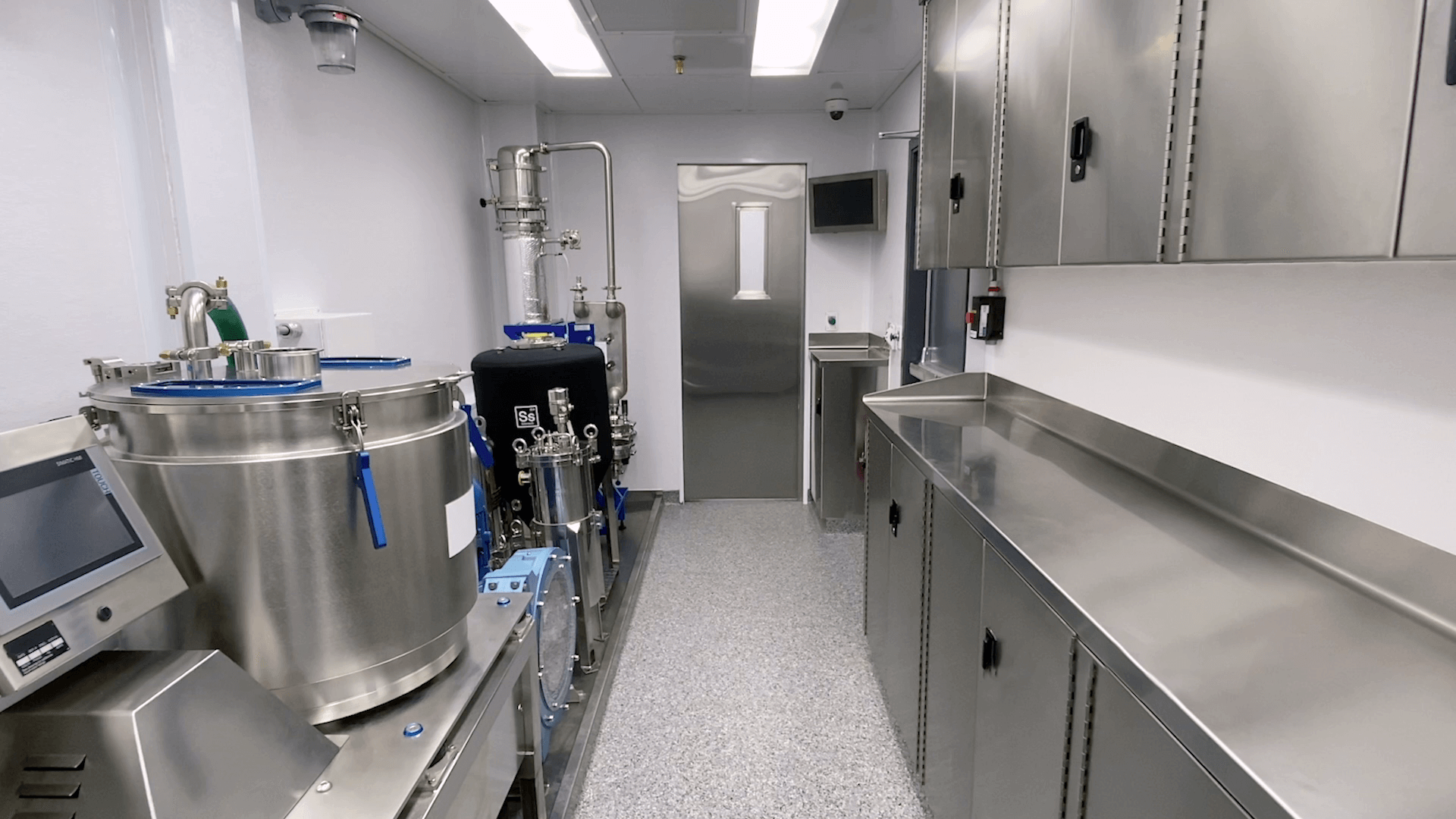
              Clean room construction

              C1D1 and C1D2 classifications apply to extraction labs because cannabis extraction requires a flammable and potentially explosive solvent like ethanol.

              What’s the Difference Between C1D1 and C1D2?

              A Class 1, Division 1 (C1D1) location, is one in which ignitable concentrations of flammable gases or vapours may exist under normal operating conditions; or in which ignitable concentrations of such gases or vapours may frequently exist because of repair or maintenance operations or because of leakage; or in which breakdown or faulty operation of equipment or processes might release ignitable concentrations of flammable gases or vapours, and might also cause simultaneous failure of electric equipment.

              A Class 1, Division 2 (C1D2) location, is one in which volatile flammable liquids or flammable gases are handled, processed, or used, but in which the hazardous liquids, vapours, or gases will normally be confined within closed containers or closed systems from which they can escape only in case of accidental rupture or breakdown of such containers or systems, or in case of abnormal operation of equipment; or in which ignitable concentrations of gases or vapours are normally prevented by positive mechanical ventilation, and which might become hazardous through failure or abnormal operations of the ventilating equipment; or that is adjacent to a Class I, Division 1 location, and to which ignitable concentrations of gases or vapours might occasionally be communicated unless such communication is prevented by adequate positive-pressure ventilation from a source of clean air, and effective safeguards against ventilation failure are provided.

              How to Make Your Extraction Lab C1D1 and C1D2 Compliant

              Compliance can require a slightly different application depending on the jurisdiction and size and scope of your lab, but it always ultimately comes down to strict attention to preventative and reactive safety measures. In general, the objective is to have a lab where, if something does go wrong, the issue can be resolved without injury to any people nearby and without extensive damage to that area or adjoining areas.

              Here are a few examples of areas in your lab where you will have to meet C1D1 and/or C1D2 certifications:

              • Fire suppression systems
              • Wiring and electrical components
              • Solvent “sniffers” – devices used to measure dangerous amounts of flammable/explosive vapours or gasses in the air
              • Flame arrestors – devices that will shut off gas flow if they detect an abnormal amount of heat
              • HVAC system – the air ventilation system must be able to clear all the air in the room within a certain amount of time if a dangerous level of vapour or gas is detected
              • Security features – access cards & codes, cameras & monitoring, approved door locks

              *Please note that this list should not be considered professional advice and should be treated solely as information of general interest.

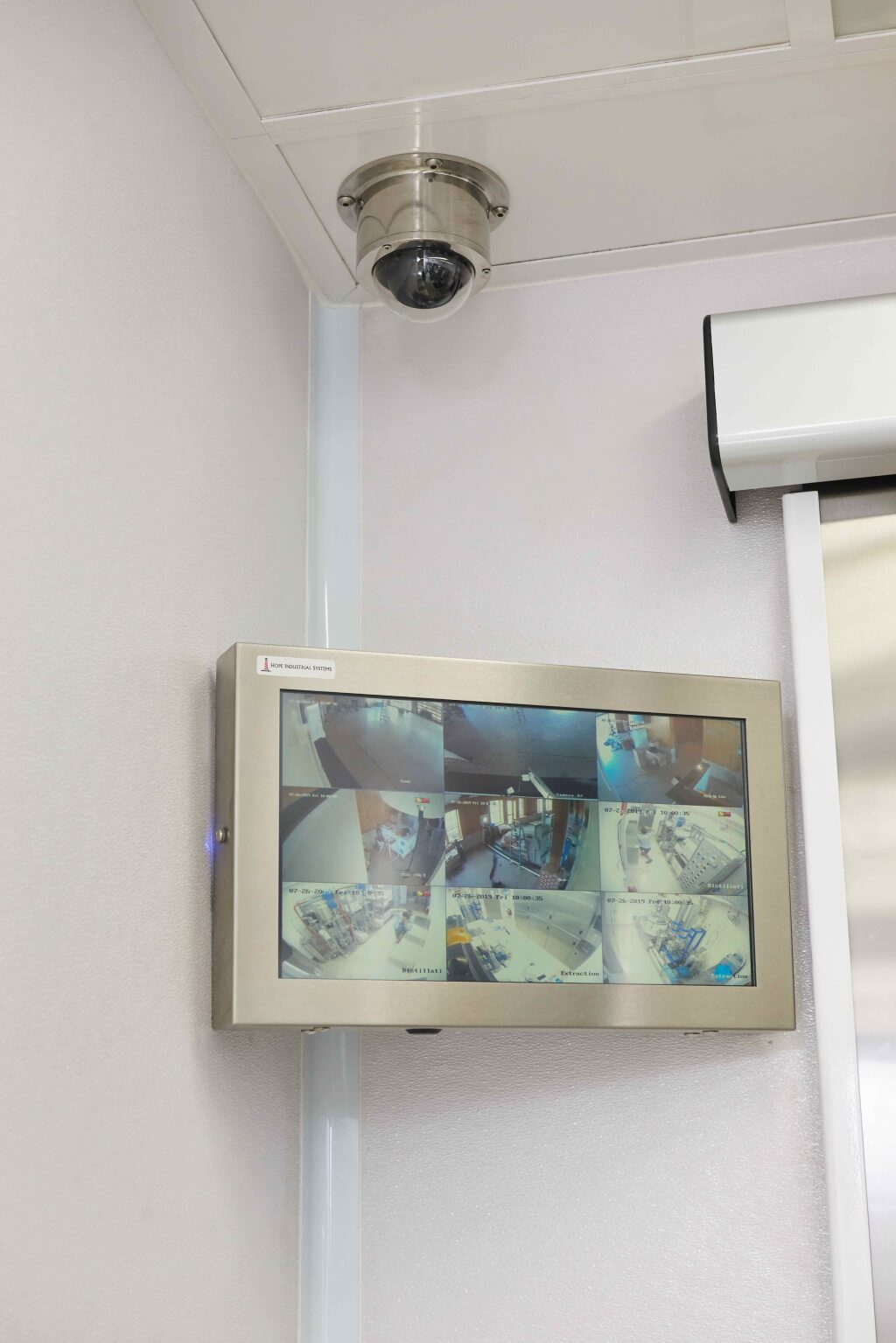
              Security system

              Security and safety equipment and processes are of the utmost importance when addressing C1D1 and C1D2 compliance.

              extractX Mobile Labs

              If you’re in the process of building an extraction lab at your facility and are feeling a little overwhelmed by the amount of compliance information to learn and apply, you may be in luck! Our turnkey, mobile extraction labs are built with C1D1 and C1D2 compliance fully considered. If you’re interested in learning more about how we build our labs to meet compliance standards, take a look at our discussion paper: Proprietary construction or a self-contained extraction lab: what’s right for your company?

              If you’re a hemp or cannabis cultivator, processor, or formulator creating CBD or THC products, and want to penetrate markets faster with no lab CapEx, then a mobile extraction lab may be right for you. If you are processing more than 75,000 lbs of biomass per year and are interested in a turnkey extraction lab for $0 lab CapEx and 4 months to installation, we want to talk to you today! Please contact us to learn about becoming an extractX partner.

              Follow us on social media or sign up for our newsletter for company updates and more content like this.
                Subscribe to*:

                News Release

                Completion of Business Acquisition of extractX Incorporated

                extractX Ltd. Announces Completion of Business Acquisition of extractX Incorporated

                Niagara, ON October 5, 2021

                extractX Ltd. (formerly Tri-Media Integrated Marketing Technologies Inc.) (the “Company”), is pleased to announce that it completed its previously communicated business acquisition of extractX Incorporated (“EXI”) by its wholly owned subsidiary, 12491613 Canada Inc. on October 1, 2021 and the subsequent amalgamation of EXI and 12491613 Canada Inc. The Articles of Amalgamation naming the new entity, extractX Incorporated (“new EXI”) will be filed upon receipt from Corporations Canada.

                The consideration given by 12491613 Canada Inc. for the acquisition was an exchange of one Company common share for one common share outstanding of EXI. As stated in the Amalgamation Agreement at June 30, 2021 EXI had 23,352,287 common shares outstanding and the Company had 937,533 common shares outstanding at September 17, 2021.

                Further details will be contained in a business acquisition report to be filed.

                No stock exchanges have reviewed or accepted responsibility for the adequacy or accuracy of the content of this press release.

                About extractX

                extractX designs, builds, and operates industrial scale self-contained mobile extraction laboratories equipped with the most effective and reliable equipment, allowing for efficient 24/7 operation, and unlimited scalability to meet the demand of any size operation. Built to GPP/GMP/EU GMP standards, extractX purpose builds mobile extraction laboratories to service biomass cultivators and producers wherever and whenever the service is needed, onsite and on demand anywhere in the world.

                Certain statements contained herein constitute forward-looking statements within the meaning of section 27A of the Securities Act of 1933 and 21E of the Exchange Act of 1934. Such statements include, without limitation, statements regarding business and financing, business trends and future operating revenues and expenses. Statements regarding the aforementioned are based on several assumptions and are not to be considered fact. Although extractX Ltd. believes that the statements are reasonable, it can give no assurances that such expectation will prove to be correct. Investors are cautioned that any forward looking statements made by extractX Ltd. contain no guarantee of future performance and that actual results may differ materially from those set forth in the forward-looking statements. For additional information see the reports filed by the company in its securities filings with applicable securities regulators (currently available at www.sedar.com).
                Unless otherwise required by applicable securities laws, extractX Ltd. disclaims any intention or obligation to update or revise any forward-looking statements, whether as a result of new information, future events or otherwise.

                Skip to content