
Blog

Blog

How To Source the Best Biomass for Cannabis Extraction

What is Cannabis Biomass? How to Source the Best One for Cannabis Extraction

What is Cannabis Biomass?

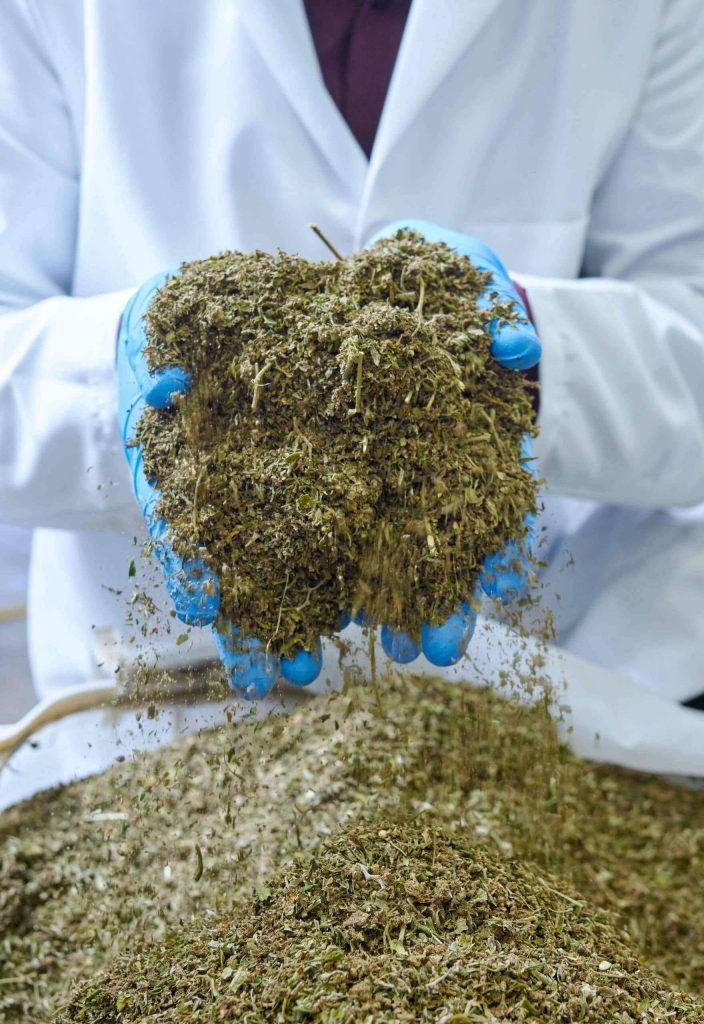
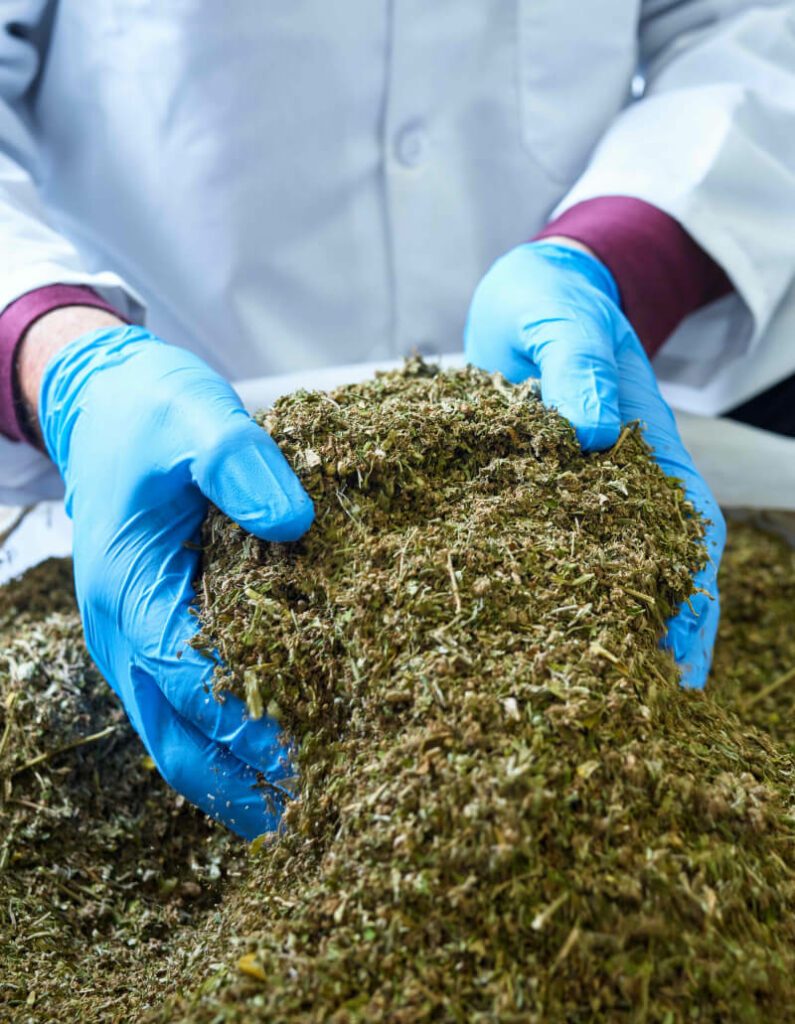
As the cannabis industry expands with new-to-industry professionals, we find it important to start by defining the term “biomass”. It’s a common misconception that cannabis distillates are produced from the same flower that is packaged and sold to be smoked. During the cultivation process, the main flower cluster (or “bud”) is usually removed and packaged for sale. The remaining leaves, stalks, and stems are considered cannabis biomass. Though biomass usually has a lower potency of desirable compounds (like terpenes and cannabinoids) than buds, there’s still plenty remaining for a skilled extractor to extract a high-quality cannabis distillate.
Cannabis biomass

Selecting high-quality cannabis biomass is a crucial first step in creating high-quality cannabis distillate.

Why is Biomass Selection So Important?

While extraction processes and technologies continue to rapidly evolve to meet the demands of the expanding global market, there will always be variables before the extraction stage that impact the quality of your distillate products. The quality of your biomass input will always play a major role in determining the quality of your distillate output. For this reason, partnering with growers and cultivators that you can trust to deliver a consistent supply of quality cannabis biomass is crucial to your success.

It’s important to select biomass with the right amounts of the desired cannabinoids (like THC and CBD) and terpenes to support the creation of your desired finished products. Testing for cannabinoids, terpenes, pesticide and heavy metal contents before committing to a partnership with a grower or cultivator is critical to ensuring you’re entering into a relationship that will get you the highest quality inputs for your process.

How to Source the Best Cannabis Biomass

Here are a few steps you can take to ensure you’re sourcing the best biomass for your cannabis distillate products:

  1. Perform a visual inspection – it’s fairly easy to visually identify what your biomass is comprised of; buds have the highest potency of cannabinoids, whereas leaves contain a lower potency, and stalks and stems contain very little desired compounds
  2. Ensure your biomass is “homogenized” – since your biomass can come from a variety of strains and sources, it’s important to ensure the distinct plant products have been properly mixed together so they can be tested as a single entity
  3. Test the potency of compounds in the biomass – test the biomass for its potency of cannabinoids, terpenes, pesticides, and heavy metals in relation to the concentrations tolerated by your local AHJ
  4. Visit your cultivators – review the grow sites, meet the people, see how they deal with pests, assess the quality of their water, etc. (learn more here)
  5. Perform a micro-extraction – perform a low-tech, small-scale extraction on a sample of biomass and test the quality of that distillate

Extracting Distillate from Cannabis Biomass

Once you’ve sourced the right biomass for your needs, your next step is to engage with an extraction partner that will turn that biomass into the right type of distillate. Depending on your size and type of end product you’re creating, you have a few different options for extraction solutions (learn more about your options here).

If you’re a hemp or cannabis cultivator, processor, or product formulator hoping to produce high-quality cannabis distillate, we walk to talk! Our turnkey mobile labs arrive at your facility within 4-6 months and require a $0 lab CAPEX. Please contact us to learn about becoming an extractX partner.

Follow us on social media or sign up for our newsletter for company updates and more content like this.
    Subscribe to*:

    Blog

    Understanding the Entourage Effect for Cannabis Extraction

    Understanding the Entourage Effect for Cannabis Extraction

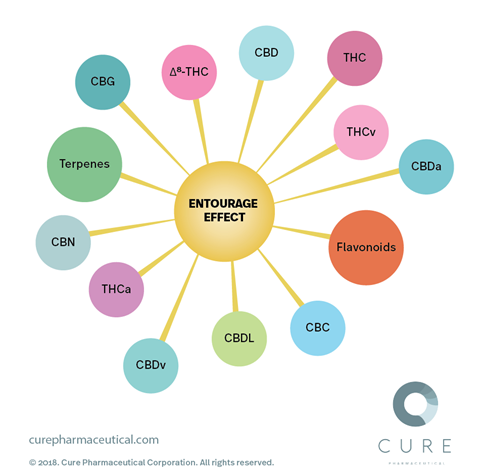
    Entourage Effect

    The entourage effect proposes that the many compounds found in cannabis work in unison to create the effects and benefits of the plant. Image provided by Cure Pharmaceuticals.

    What is the Entourage Effect?

    The “entourage effect” is the theory that the hundreds of different compounds found in cannabis (cannabinoids and terpenes, for example) work together to create the unique effects and benefits of the plant. There are hundreds of cannabinoids and terpenes found within the cannabis plant, the most popular being CBD and THC, yet all of which are processed by the endocannabinoid system within the human body.

    As the cannabis industry continues to evolve on a global scale, we are seeing more “isolate” products enter the market, claiming to be “pure CBD” or “pure THC” with all other cannabinoids, terpenes, and other compounds removed. Anecdotal evidence suggests that when cannabinoids like CBD or THC are isolated from these other compounds, the endocannabinoid system is not able to properly process them, thus keeping the person from experiencing all of the medical or recreational benefits that the isolated cannabinoid has to offer.

    How Does the Entourage Effect Impact the Consumer Experience?

    When a consumer smokes cannabis, a process called decarboxylation happens instantaneously. During this process, CBGA (the mother cannabinoid) is broken down into other cannabinoids like THC, CBD, CBG, etc. which can then be absorbed by the body. Smoking dried flower allows for a “full-spectrum” experience, where the body’s endocannabinoid system can intake all of the compounds found in the plant.

    When a specific cannabinoid like CBD or THC is isolated from its “family” of other compounds, anecdotal evidence suggests that the isolated cannabinoid is less-effective at producing the euphoric, inebriating effects, or medicinal benefits than if the same amount of that cannabinoid was introduced to the body in a full-spectrum capacity (with all those other cannabinoids).

    This is especially important for new users of CBD products since, as they want to avoid the inebriation caused by THC, they use CBD isolate products. These isolates can cause the consumer to sacrifice some of the potential benefits of CBD when compared to the way a full-spectrum CBD product is absorbed by the body.

    How Does the Entourage Effect Impact the Cannabis Extraction Process?

    It is important to note that most information supporting the entourage effect is anecdotal, and that further research must be done to fully understand this phenomenon. Once the entourage effect is proven true, real research will prove the current unverified claims that isolate products are processed by the endocannabinoid system differently than full-spectrum cannabis products (learn more about Full Spectrum vs. Isolate Distillates).

    This article does not argue in favour of or against the use of cannabis isolate products. In fact, the more we learn about the entourage effect and the effects of isolated cannabinoid products, the more products can be created to help treat specific human health conditions. Moving forward, there will always be a market for THC-free products, and the evolution of the extraction industry is moving us towards a world where specific cannabinoids can be isolated or removed from cannabis distillate more easily. This is great news for the average consumer who wants to use cannabis for medicinal purposes!

    extractX Mobile Labs

    If you’re producing cannabis distillate, whether full-spectrum or the isolate of a specific cannabinoid, an extractX mobile lab could be right for you! Our labs are built off-site to the highest compliance standards, able to produce high-quality full-spectrum distillate or THC-free and isolate distillates through further separation and remediation processes. Instead of building your own lab, reach out to extractX today to learn more about how you can get a mobile lab installed within your facility within 4 months of contract for $0 lab CapEx.

    Follow us on social media or sign up for our newsletter for company updates and more content like this.
      Subscribe to*:

      Blog

      Understanding Full-Spectrum CBD vs. CBD Isolate for Cannabis Extraction

      Understanding Full-Spectrum CBD vs. CBD Isolate for Cannabis Extraction

      As CBD distillate products become commonplace household items in countries throughout the world, new descriptors are emerging that the average consumer may not be familiar with. One such example is a classifier for CBD distillate products that distinguishes them between being a “CBD isolate” or “full-spectrum CBD distillate”. You may be asking yourself what the difference is, and what products are right for you.

      What is Full-Spectrum CBD Distillate?

      Full-spectrum CBD distillate contains high concentrations of CBD, but also contains other terpenes and cannabinoids. These distillates may contain up to 0.3% tetrahydrocannabinol (THC) (depending on where you are located), which is not enough THC to cause real inebriation or psychoactive effects, but enough to allow for the benefits of the “entourage effect”.

      The entourage effect is the popular anecdotal opinion that the sum of the cannabinoids, terpenes, and other compounds found in cannabis plants produces an effect that is greater than each of the individual compounds can achieve on its own (learn more about the entourage effect here). The other cannabinoids and terpenes found in full-spectrum CBD distillates have been shown to work in conjunction with one another to offer broader health benefits than fully isolated CBD. This is why some people prefer full-spectrum CBD distillate over CBD isolate.

      What is CBD Isolate?

      CBD isolate is the pure form of cannabidiol (CBD) without any other terpenes or cannabinoids. Usually distilled from hemp plants (learn more about the difference between hemp and cannabis), it is so refined that it has no taste or odor or any compounds other than CBD.

      CBD isolates can be useful for people who want to explore the proposed health benefits of CBD, without worrying about the psychoactive effects usually associated with cannabis use. While CBD isolate is great for this purpose, research has suggested that isolated CBD is less effective when compared to full-spectrum distillates because CBD may require the presence of other cannabinoids and terpenes for it to be absorbed fully into the body’s endocannabinoid system.

      How does CBD isolation effect the cannabis extraction process?

      If you want to create CBD isolate, you will need a much more refined distillate product that goes through additional processing than if you were creating a full-spectrum CBD distillate. To isolate the CBD compound and remove all other cannabinoids and terpenes requires further separation and remediation processes after the hemp biomass has been processed into CBD distillate.

      It’s easiest to think about this process in a series of steps. The first step is to turn your hemp into CBD distillate. This distillate could likely be used in full-spectrum CBD products, or it could be further refined to remove all other compounds, isolating just the CBD. Both types of products offer differing health benefits, and it is recommended that you consult a professional and be conservative in your dosing when trying these products for the first time.

      If you’re a hemp or cannabis cultivator, processor, or product formulator hoping to produce full-spectrum CBD distillate, we walk to talk! Our turnkey mobile labs arrive at your facility within 4-6 months and require a $0 lab CAPEX, and are capable of producing THC-free CBD isolate. Please contact us to learn about becoming an extractX partner.

      Follow us on social media or sign up for our newsletter for company updates and more content like this.
        Subscribe to*:

        Blog

        Understanding GMP for Cannabis Extraction Labs

        Understanding GMP for Cannabis Extraction Labs

        What is GMP?

        Cannabis start-ups around the world are looking to meet the growing demand for pharmaceutical grade cannabis distillate, but unless you have an engineering background, you may find yourself wondering what GMP regulations are and how they will impact your business. The purpose of GMP standards is to protect consumers from sub-par quality products by enforcing strict reporting, equipment cleaning, quality management, and documentation and application of standard operating procedures (SOPs).

        “Essentially, GMP ensures a universal minimum standard of quality to protect consumers (Cannabis Business Executive).” GMP stands for Good Manufacturing Practices and outlines a set of requirements throughout the production process for foods, supplements, and pharmaceuticals to ensure those products meet quality control standards.

        Why is GMP important for cannabis extraction?

        It’s first important to note that the application of GMP principles in the cannabis industry is fairly new, as governing bodies would not recognize the legitimacy of working with hemp or cannabis until it was decriminalized by the United States and other nations. As cannabis products become more mainstream globally for the treatment of many health conditions, we are seeing more and more involvement from governmental organizations to ensure that cannabis products are meeting the highest standards of quality.

        How GMP standards impact the cannabis extraction process (as well as the cultivation and product formulation processes) depends on where and how the finished products will be used. Pharmaceutical grade products are subject to the highest scrutiny and quality standards, even more so than food grade products. For the cultivator, extractor, or product formulator, the question isn’t whether GMP will impact their work, but to what level of GMP standards they must confirm to.

        extractX mobile labs

        While they are the costliest to abide by, pharmaceutical grade GMP standards create the best consumer products, and satisfy all other classes of GMP standards (food grade, nutraceuticals, dietary supplements, etc.). It is safe to say that if your facility and extraction lab meet pharmaceutical grade GMP standards, your finished product will be accepted by local Authority Having Jurisdictions (AHJs) wherever cannabis products are legal for sale and consumption.

        GMP Requirement

        • Design, construction, and location of all equipment must permit easy cleaning, sanitizing, and inspection. Maintenance and usage logs must be kept up to date.
        • Personnel must be aware of the principles of GMP that affect them. Operators must be trained to carry out and document procedures, and training records must be properly maintained. Instructions and procedures are written in clear and easy-to-understand language.
        • A written sanitation program will ensure the cleanliness of the premises, of any and all equipment used in your operations, and ensure employees are trained in and follow all required sanitation procedures.

        extractX Solution

        • Lab surfaces are selected to permit easy cleaning. Hatches provide access to difficult to clean areas. Maintenance and upgrades are the responsibility of extractX and staff are trained to update usage logs.
        • extractX manages the hiring and ongoing training for all lab staff. Staff are trained to document procedures up to GMP pharmaceutical standards. Documented standard operating procedures (SOPs) are provided by extraxtX.
        • Staff are trained on sanitation procedures for all surfaces and equipment. Staff are trained to maintain proper usage logs of all cleaning and sanitation activities.

        If you’re exploring the pharmaceutical grade cannabis product market or want to elevate your product quality from food grade to pharma, you may be able to leverage an extractX mobile lab. These labs are built to pharmaceutical grade GMP standards off-site and delivered to your facility ready to operate within 4 months of contract for $0 lab CapEx. Please contact us to learn about becoming an extractX partner.

        Follow us on social media or sign up for our newsletter for company updates and more content like this.
          Subscribe to*:

          Blog

          What is CBG and how is it extracted from cannabis?

          What is CBG and how is it extracted from cannabis?

          What is CBG?

          Cannabigerol (CBG), like THC or CBD, is a naturally occurring chemical compound found in cannabis. This cannabinoid is often found in very low concentrations in hemp and cannabis biomass (usually less than 1%). Though CBG is considered a minor cannabinoid, recent research suggests that it may offer remarkable health benefits.

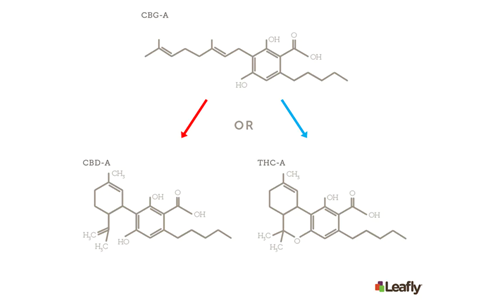
          CBGA is the acidic form of CBG, and is considered the precursor to all other cannabinoid lines (which include THC and CBD after the decarboxylation process). As cannabis plants age or are exposed to heat, CBGA breaks down into tetrahydrocannabinolic acid (THCA), cannabidiolic acid (CBDA), cannabichromenic acid (CBCA), and very small concentrations of other cannabinoids like CBG.

          CBG Molecular Structure

          CBGA breaks down into THCA, CBDA, CBCA and small concentrations of other cannabinoids like CBG. Image source.

          What are the potential health benefits of CBG?

          Recent research into CBG has hinted that this cannabinoid may provide remarkable health benefits. This has contributed to an increasing demand for CBG distillate products to treat a variety of ailments such as:

          Note: research into CBG is fairly new, and these claims will need to be further validated by additional research. More information can be found here.

          • Glaucoma
          • Huntington’s disease
          • Cancer
          • Bladder dysfunction disorders
          • Bacterial infections
          • Depression and anxiety
          • Epilepsy seizures
          • Insomnia
          • Skin irritations

          Did you Know?

          A recent study indicates that CBG may have therapeutic potential in treating neurological, gastrointestinal, and metabolic disorders.

          To read more, click here.

          Note: research into CBG is fairly new, and these claims will need to be further validated by additional research. More information can be found here.

          How to extract CBG from cannabis?

          Since CBG naturally occurs in cannabis in such low concentrations, the journey towards isolating pure CBG extract starts at the breeding and cultivation stage. Interbreeding strains with high CBG concentrations increases your ability to extract the cannabinoid and harvesting plants at an earlier stage in the growth cycle increases your chances that the CBGA has not been converted into other cannabinoids.

          CBG is extracted from cannabis biomass through an extraction process similar to the one used in extracting CBD or THC. extractX mobile labs use a closed-loop ethanol extraction process to create cannabis distillate and a further process that allows us to separate CBG from other cannabinoids.

          extraction as a service

          CBG is extracted from cannabis distillate through a further separation process.

          extractX Mobile Labs

          If you’re a hemp or cannabis cultivator, processor, or product formulator hoping to expand into producing CBG extract, we walk to talk! Our turnkey mobile labs arrive at your facility within 4-6 months and require a $0 lab CapEx. Please contact us to learn about becoming an extractX partner.

          Follow us on social media or sign up for our newsletter for company updates and more content like this.
            Subscribe to*:

            Blog

            Understanding Decarboxylation in Cannabis Extraction

            Understanding Decarboxylation in Cannabis Extraction

            What is Decarboxylation?

            Decarboxylation is the process that activates compounds found in cannabis like THC and CBD so that they may be absorbed into the human body, and their medicinal or recreational effects may be felt. In its raw form, hemp and cannabis biomass usually contains high concentrations of tetrahydrocannabinolic acid (THCA) and/or cannabidiolic acid (CBDA).

            To simplify things, we can consider THCA as the raw, unprocessed form of THC. It does not cause any inebriating or euphoric effects. Similarly, CBDA is essentially the raw form of CBD. While THCA and CBDA have been shown to provide their own health benefits in recent studies, modern consumers are mainly interested in the inebriating properties and health effects of the THC and CBD cannabinoids.

            How Does Decarboxylation Occur?

            Decarboxylation either happens gradually over time, or more rapidly under the influence of heat. Until the consumer market was created for cannabis edibles and tinctures, little knowledge of the decarboxylation process was required by the average cannabis consumer. This is because the decarboxylation process occurs naturally when cannabis is smoked or vaporized, instantly converting the THCA and CBDA into THC and CBD, which is then absorbed into the lungs.

            Processing Biomass in eXi Mobile Extraction Lab

            Raw cannabis biomass contains THCA and CBDA, requiring a decarboxylation process to turn these compounds into THC and CBD.

            As the demand for these ingestible products has steadily increased, experts in the cannabis industry have had to gain an understanding of decarboxylation on a much deeper level, especially when faced with the challenge of producing THC and CBD distillate at a large scale.

            Why is Decarboxylation Necessary in Cannabis Extraction?

            The reason decarboxylation is a necessary stage in the cannabis extraction process is that edible cannabis products containing THCA and CBDA won’t cause the desired medical or recreational effects when ingested. These cannabinoids must first be subjected to a decarboxylation process that will allow them to become stable versions of the THC and CBD cannabinoids. Distillates containing these cannabinoids can then be added to edible products and will be able to produce the desired effects when ingested orally by a consumer.

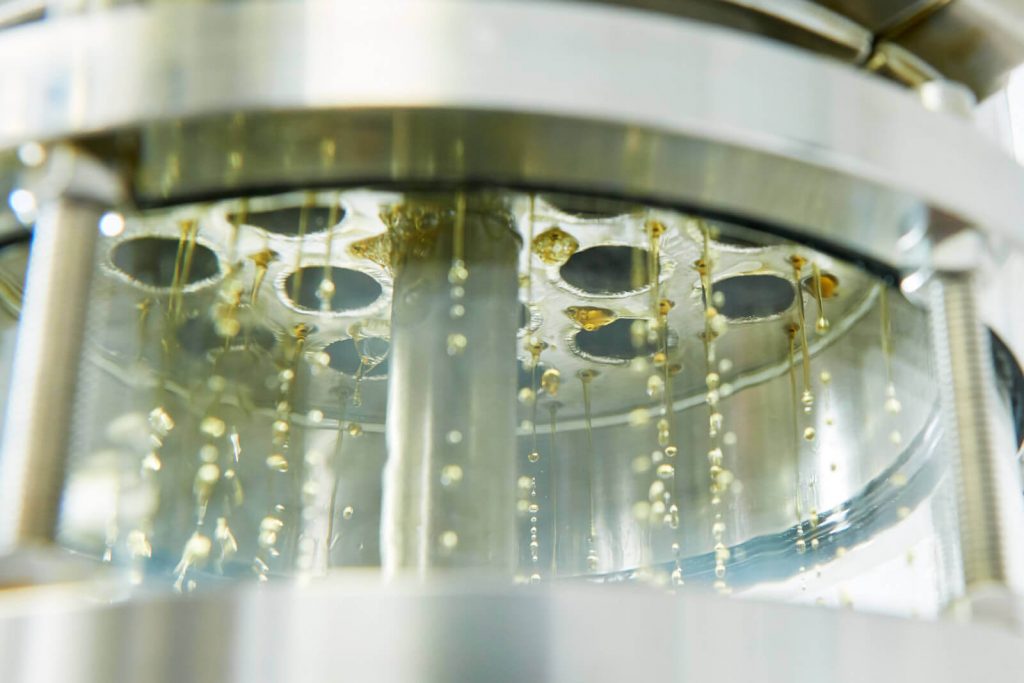
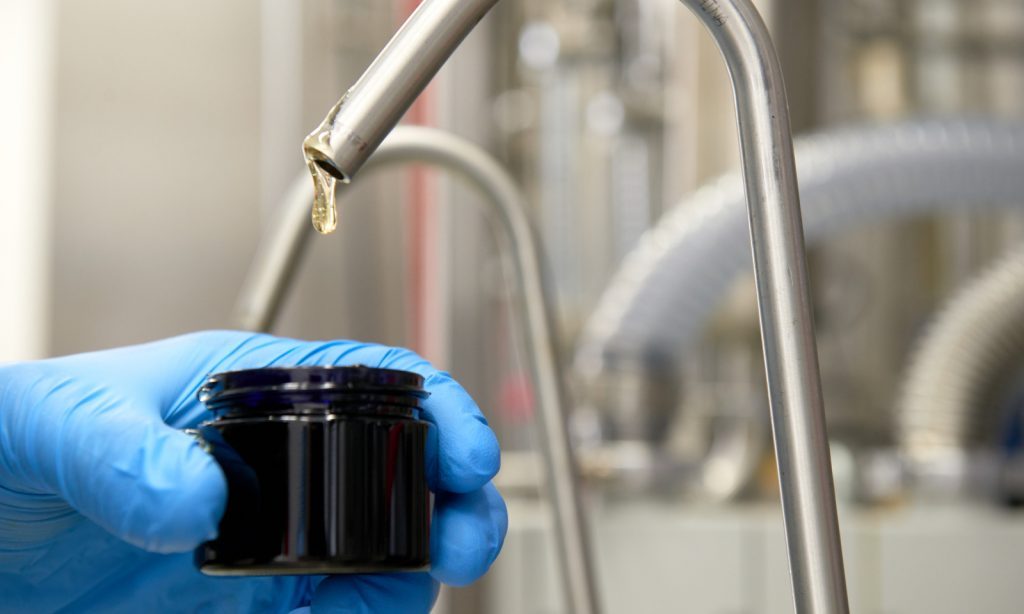
            Storing extracted oil

            Hemp and cannabis biomass must be subjected to a decarboxylation process before being turned into THC or CBD distillate.

            extractX Mobile Labs

            If you’re a hemp or cannabis cultivator, processor, or formulator creating CBD or THC products, and want to penetrate markets faster with no lab CapEx, then a mobile extraction lab may be right for you. If you are processing more than 75,000 lbs of biomass per year and are interested in a turnkey extraction lab for $0 lab CapEx and 4 months to installation, we want to talk to you today! Please contact us to learn about becoming an extractX partner.

            Follow us on social media or sign up for our newsletter for company updates and more content like this.
              Subscribe to*:

              Blog

              The Difference Between Hemp and Cannabis

              The Difference Between Hemp and Cannabis

              As hemp and cannabis becomes legal for medicinal and sometimes recreational use in countries around the world, it’s never been a better time to educate yourself on the difference between hemp and cannabis.

              Distinguishing Hemp from Cannabis

              It’s important to note that hemp and marijuana are two different species of the same plant. Oftentimes when people refer to “cannabis,” they actually mean a marijuana strain of the cannabis plant, as opposed to a hemp strain. From a biological classification standpoint, they are the same thing, but from a legal perspective, they are very distinct.

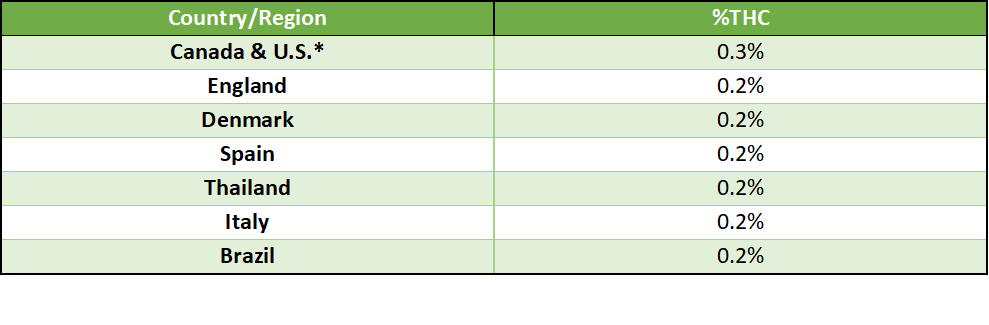
              The major distinguishing factor between hemp and marijuana in the eyes of the legal system is the tetrahydrocannabinol (THC) content found in the plant. THC is only one of many types of cannabinoids found in the cannabis plant, but it’s the one that causes inebriation in consumers (click here to learn about the Top 10 Cannabinoids and Their Uses). This is why the differentiation is important – any cannabis with a lower THC content is considered a “harmless plant”, whereas cannabis with a higher THC content is considered a “drug”.

              Distinguishing hemp from cannabis

              Many countries use THC percentage as the metric for distinguishing hemp from cannabis.

              THC Percentages Tolerated Globally

              The THC content tolerated before the cannabis plant is classified as marijuana differs by region. In the table below, we see some examples of the THC percentage tolerated by different countries.

              THC Percentages Tolerated Globally

              *may differ by state. Refer to this document for further information on cannabis policy.

              The metric for percentage of THC tolerated by region has become an incredibly important number for hemp cultivators and CBD product brands, as well as the companies trying to support them. Businesses and individuals in the biotechnology, legal, financial, manufacturing, agricultural, extraction, and retail industries are pivoting their business models or starting new ventures to enter and assist this rapidly booming market.

              Creating High-Quality THC and CBD Distillate

              As the demand for THC and CBD distillate products steadily increases on a global scale, the demand for quality hemp and cannabis biomass has reached an all-time high. Expert cultivators have found ways to breed and grow cannabis strains with optimal concentrations of THC, CBD, and other cannabinoids, and are partnering with innovators in the extraction and product formulation industries to create some truly remarkable pharmaceutical, nutraceutical, and recreational products.

              Pros of ethanol extraction

              Creating high-quality THC and CBD distillate requires the best hemp and cannabis biomass and a great extraction partner like extractX.

              extractX Mobile Labs

              If you’re a hemp or cannabis cultivator, processor, or formulator creating CBD or THC products, and want to penetrate markets faster with no lab CapEx, then a mobile extraction lab may be right for you. If you are processing more than 75,000 lbs of biomass per year and are interested in a turnkey extraction lab for $0 lab CapEx and 4 months to installation, we want to talk to you today! Please contact us to learn about becoming an extractX partner.

              Follow us on social media or sign up for our newsletter for company updates and more content like this.
                Subscribe to*:

                Blog

                Top 10 Cannabinoids and Their Uses

                Top 10 Cannabinoids and Their Uses

                What Are Cannabinoids?

                Cannabinoids are chemical compounds found in the cannabis plant. In addition to the many valuable uses of hemp, these naturally occurring compounds are what make the cannabis plant so remarkable. There are thought to be dozens of different cannabinoids found in just a single strain of cannabis, the two most commonly known being tetrahydrocannabinol (THC) and cannabidiol (CBD).

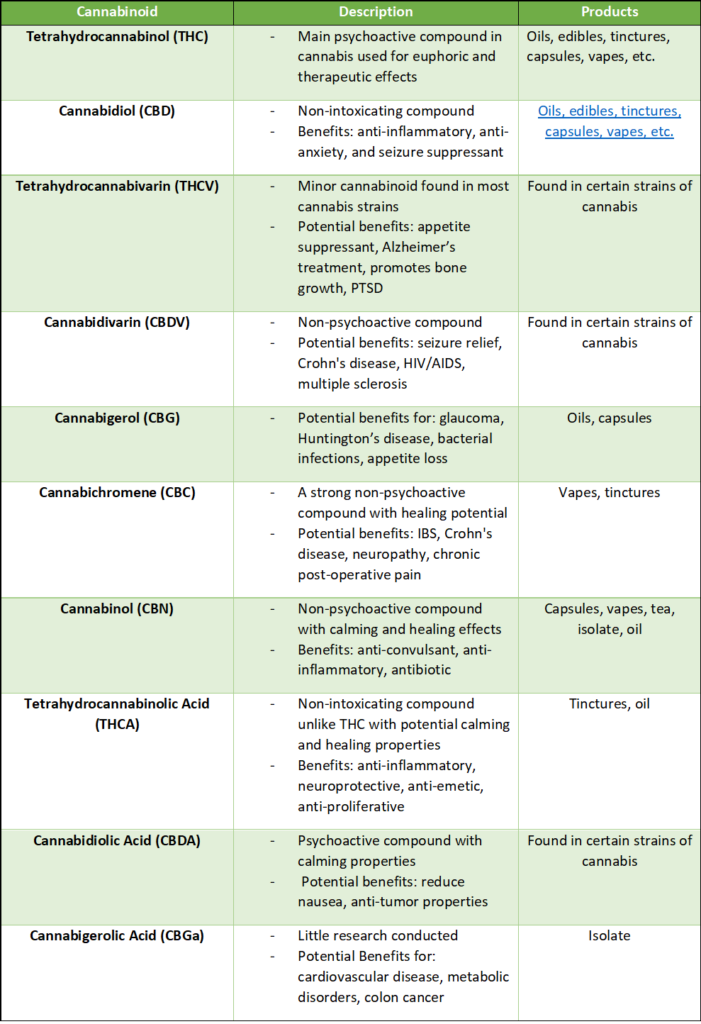
                Top 10 Cannabinoids and Their Benefits

                Below are 10 of the top cannabinoids found in cannabis, along with the potential benefits, effects, and products in which they can be found.

                Top 10 Cannabinoids and Their Uses

                (learn more about these cannabinoids here)

                This chart illustrates the various compounds present in cannabis and paints a picture of the many health benefits humans can experience from these derivatives of the plant. As the cultivation and extraction industries continue to develop, we will see more and more uses for cannabinoids emerge, along with new products and an increased effort by governing bodies to conduct tests and studies to measure their effectiveness.

                Cannabis Extraction to Isolate Cannabinoids

                As we continue to develop our understanding of the types of cannabinoids and how they can be used to treat specific human ailments and illnesses, the demand for innovation in the extraction industry will continue to rise. A refinement of the process required to extract high-quality cannabis distillate, and to further separate and remediate that distillate to isolate the desired cannabinoids is the next innovative hurdle for the extraction industry, which is why we believe it’s so important to partner with an extraction company with tons of industry experience and a track-record of success.

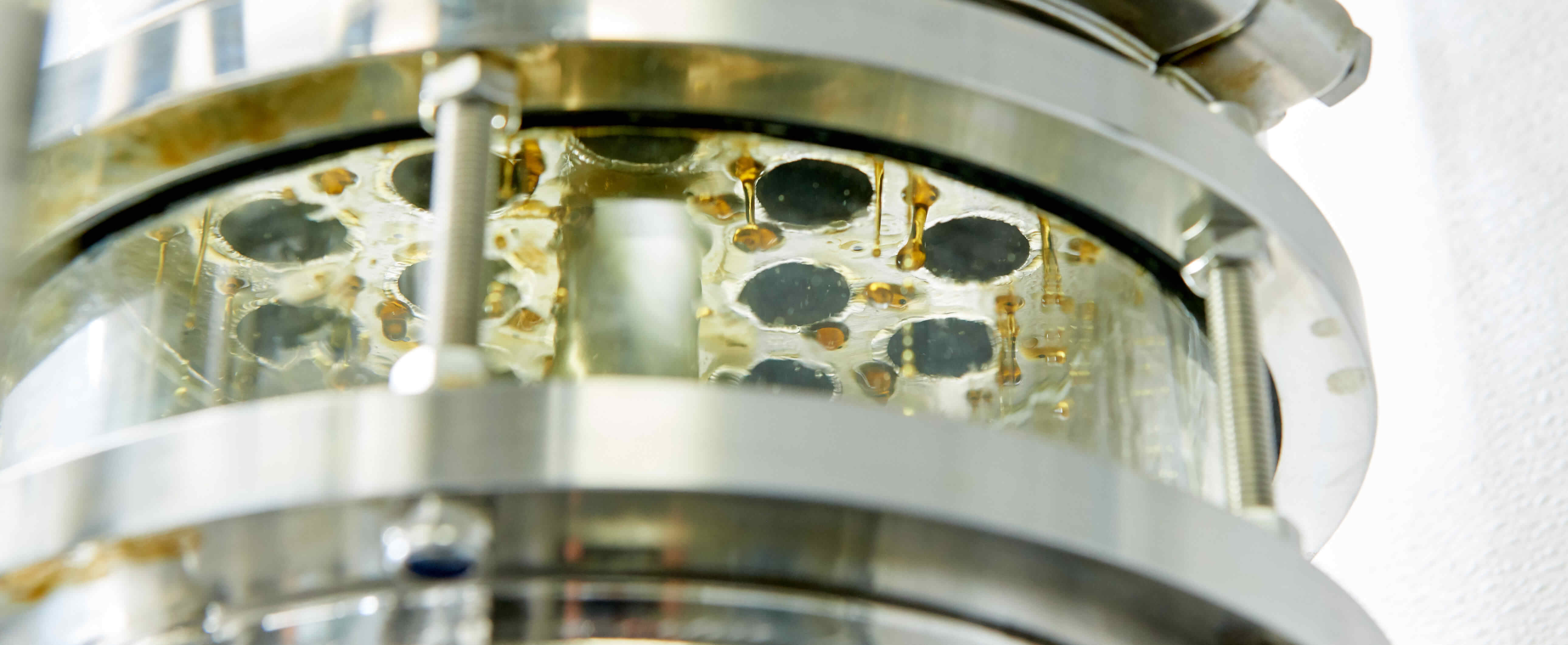
                Pros of ethanol extraction

                Cannabis extraction, remediation, and separation are highly technical processes.

                extractX Mobile Labs

                If you’re a hemp or cannabis cultivator, processor, or formulator creating CBD or THC products, and want to penetrate markets faster with no lab CapEx, then a mobile extraction lab may be right for you. If you are processing more than 75,000 lbs of biomass per year and are interested in a turnkey extraction lab for $0 lab CapEx and 4 months to installation, we want to talk to you today! Please contact us to learn about becoming an extractX partner.

                Follow us on social media or sign up for our newsletter for company updates and more content like this.
                  Subscribe to*:

                  Blog

                  Understanding C1D1 & C1D2 for Cannabis Extraction Labs

                  Understanding C1D1 & C1D2 for Cannabis Extraction Labs

                  What are C1D1 and C1D2 Classifications?

                  When examining C1D1 and C1D2 classifications for extraction labs, it’s important to start with a basic understanding of what these classifications are and why they exist. Class 1, Division 1 (C1D1), and Class 1, Division 2 (C1D2) are government-enforced classification systems used when a company requires the use of flammable gases, vapours, or liquids that could cause an explosion or fire hazard. The C1D1 and/or C1D2 classification applies to the physical area wherein these substances could cause harm to an employee or any other person and are used to prevent the occurrences and to minimize their harm if they do occur.

                  These classifications are not unique to the extraction industry but apply to any industry or company that requires the use of these types of hazardous materials in order to conduct its business. The reason C1D1 and C1D2 classifications are such a hot topic in the extraction industry is that nearly all extraction methods require the use of a flammable, potentially dangerous solvent like ethanol, butane, or CO2.

                  Clean room construction

                  C1D1 and C1D2 classifications apply to extraction labs because cannabis extraction requires a flammable and potentially explosive solvent like ethanol.

                  What’s the Difference Between C1D1 and C1D2?

                  A Class 1, Division 1 (C1D1) location, is one in which ignitable concentrations of flammable gases or vapours may exist under normal operating conditions; or in which ignitable concentrations of such gases or vapours may frequently exist because of repair or maintenance operations or because of leakage; or in which breakdown or faulty operation of equipment or processes might release ignitable concentrations of flammable gases or vapours, and might also cause simultaneous failure of electric equipment.

                  A Class 1, Division 2 (C1D2) location, is one in which volatile flammable liquids or flammable gases are handled, processed, or used, but in which the hazardous liquids, vapours, or gases will normally be confined within closed containers or closed systems from which they can escape only in case of accidental rupture or breakdown of such containers or systems, or in case of abnormal operation of equipment; or in which ignitable concentrations of gases or vapours are normally prevented by positive mechanical ventilation, and which might become hazardous through failure or abnormal operations of the ventilating equipment; or that is adjacent to a Class I, Division 1 location, and to which ignitable concentrations of gases or vapours might occasionally be communicated unless such communication is prevented by adequate positive-pressure ventilation from a source of clean air, and effective safeguards against ventilation failure are provided.

                  How to Make Your Extraction Lab C1D1 and C1D2 Compliant

                  Compliance can require a slightly different application depending on the jurisdiction and size and scope of your lab, but it always ultimately comes down to strict attention to preventative and reactive safety measures. In general, the objective is to have a lab where, if something does go wrong, the issue can be resolved without injury to any people nearby and without extensive damage to that area or adjoining areas.

                  Here are a few examples of areas in your lab where you will have to meet C1D1 and/or C1D2 certifications:

                  • Fire suppression systems
                  • Wiring and electrical components
                  • Solvent “sniffers” – devices used to measure dangerous amounts of flammable/explosive vapours or gasses in the air
                  • Flame arrestors – devices that will shut off gas flow if they detect an abnormal amount of heat
                  • HVAC system – the air ventilation system must be able to clear all the air in the room within a certain amount of time if a dangerous level of vapour or gas is detected
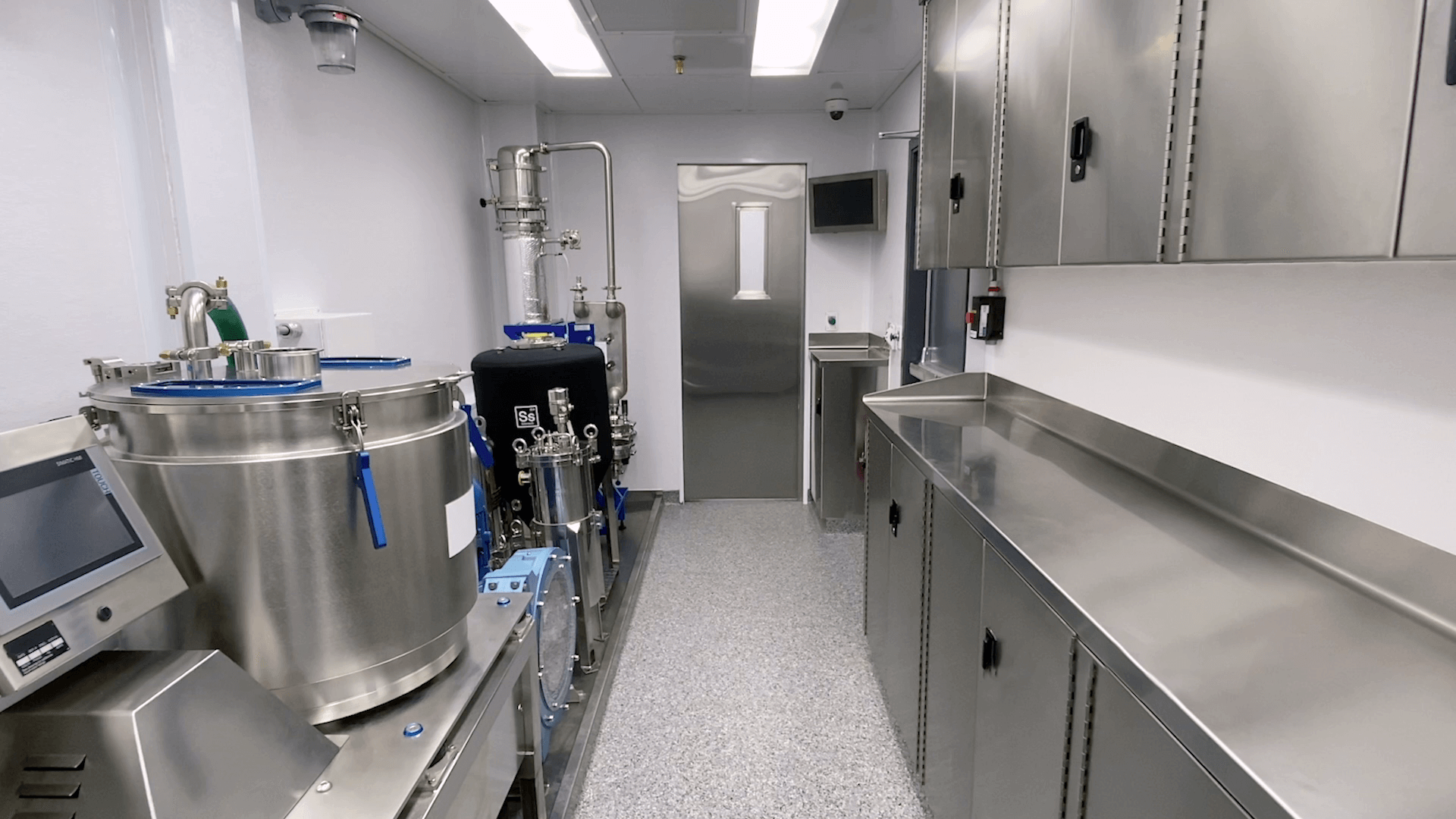
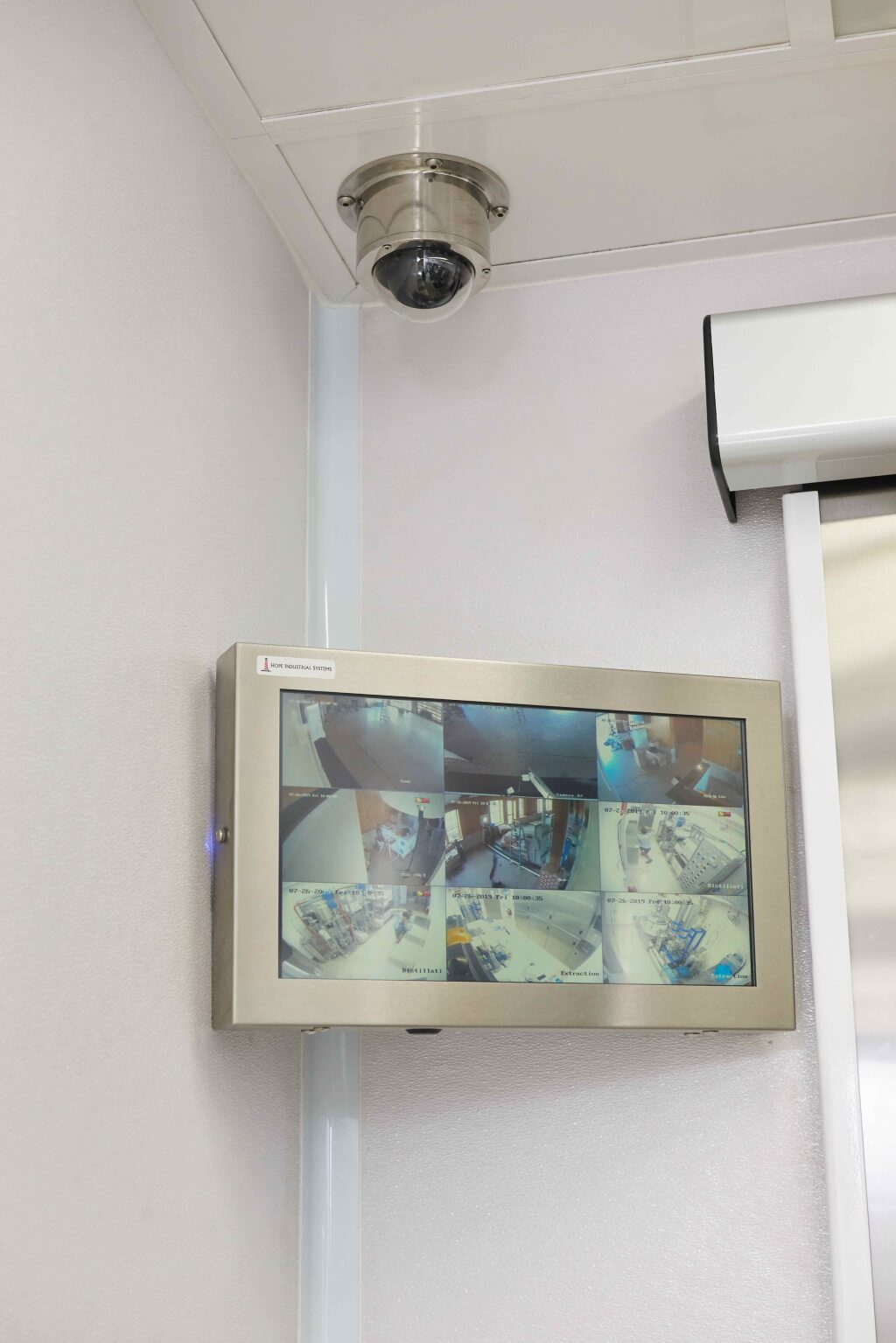
                  • Security features – access cards & codes, cameras & monitoring, approved door locks

                  *Please note that this list should not be considered professional advice and should be treated solely as information of general interest.

                  Security system

                  Security and safety equipment and processes are of the utmost importance when addressing C1D1 and C1D2 compliance.

                  extractX Mobile Labs

                  If you’re in the process of building an extraction lab at your facility and are feeling a little overwhelmed by the amount of compliance information to learn and apply, you may be in luck! Our turnkey, mobile extraction labs are built with C1D1 and C1D2 compliance fully considered. If you’re interested in learning more about how we build our labs to meet compliance standards, take a look at our discussion paper: Proprietary construction or a self-contained extraction lab: what’s right for your company?

                  If you’re a hemp or cannabis cultivator, processor, or formulator creating CBD or THC products, and want to penetrate markets faster with no lab CapEx, then a mobile extraction lab may be right for you. If you are processing more than 75,000 lbs of biomass per year and are interested in a turnkey extraction lab for $0 lab CapEx and 4 months to installation, we want to talk to you today! Please contact us to learn about becoming an extractX partner.

                  Follow us on social media or sign up for our newsletter for company updates and more content like this.
                    Subscribe to*:

                    Blog

                    The Various Valuable Uses of Hemp

                    The Various Valuable Uses of Hemp

                    As hemp has rapidly been re-introduced to consumer markets across a variety of industries throughout the world, humans have been reminded of the many benefits of this remarkable plant. Hemp serves as a more usable, sustainable alternative to common practices found in a variety of industries, yet a new use for the plant is proving incredibly valuable to consumers and entrepreneurs.

                    The Many Uses of Hemp

                    Hemp can be used to make paper, packaging products, resins that can be extruded to produce biodegradable plastic-like materials, textiles for apparel, and building materials that can be used instead of cinder block and concrete. Worn-out hemp products like sails, ropes, clothes, sheets, diapers, curtains, and rags can be recycled into hemp paper. Within the categories of foods and dietary supplements, hemp seeds can be eaten or used to create protein powder and hemp seed oil, or used as an ingredient to make plant-based products like burgers, pasta, and milk.

                    While these uses show the versatility, usability, and sustainability of hemp cultivation, the extraction of CBD oil from hemp plants is gaining more popularity amongst consumers, and driving demand and market price sky-high.

                    Demand for Hemp

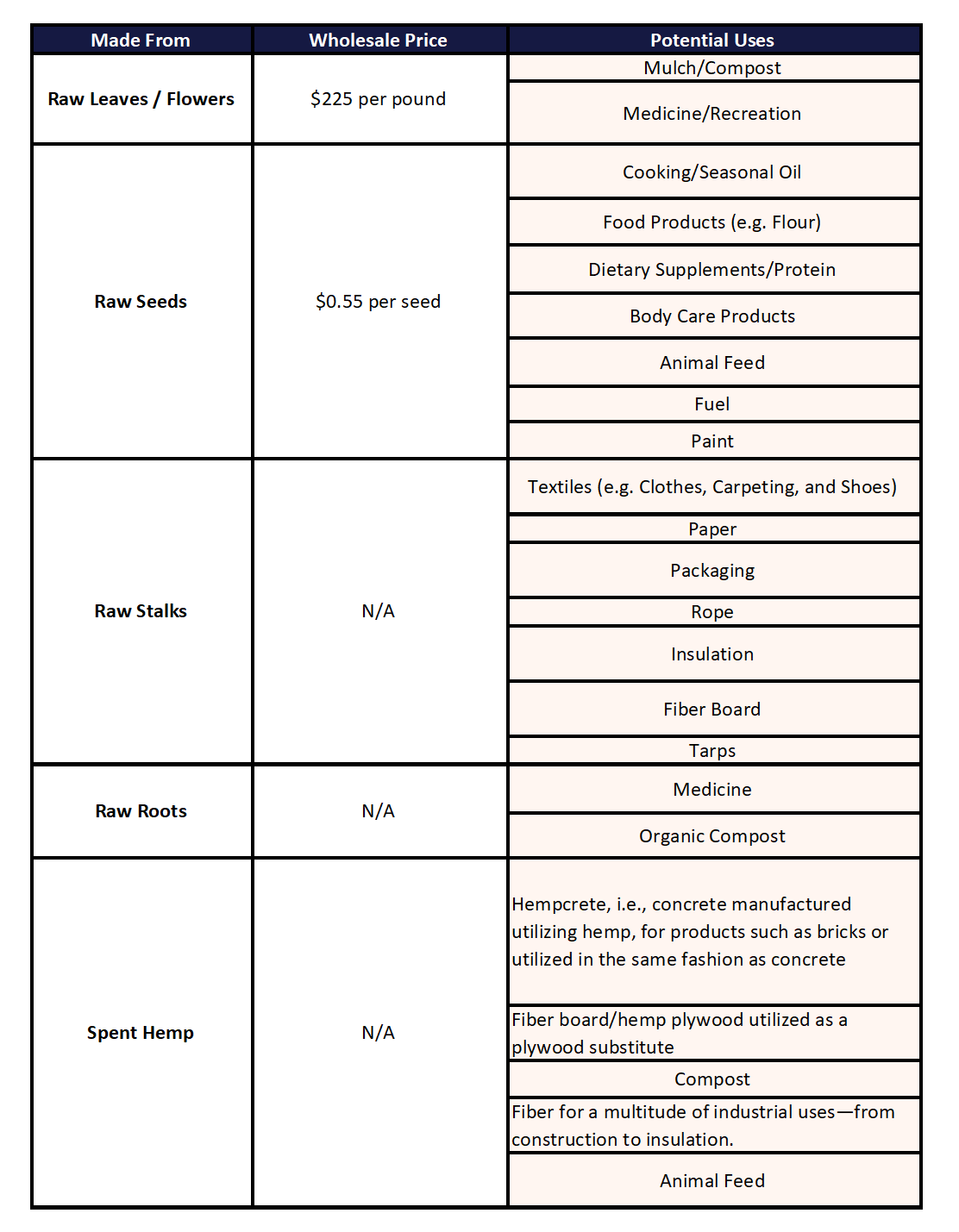
                    Hemp biomass is generally comprised of non-flower parts like seeds, stalk, and leaves and has an average price of around $14 USD/lb. As seen in the chart below, there are many uses for unspent biomass based on the part of the plant used.

                    Potential uses of hemp
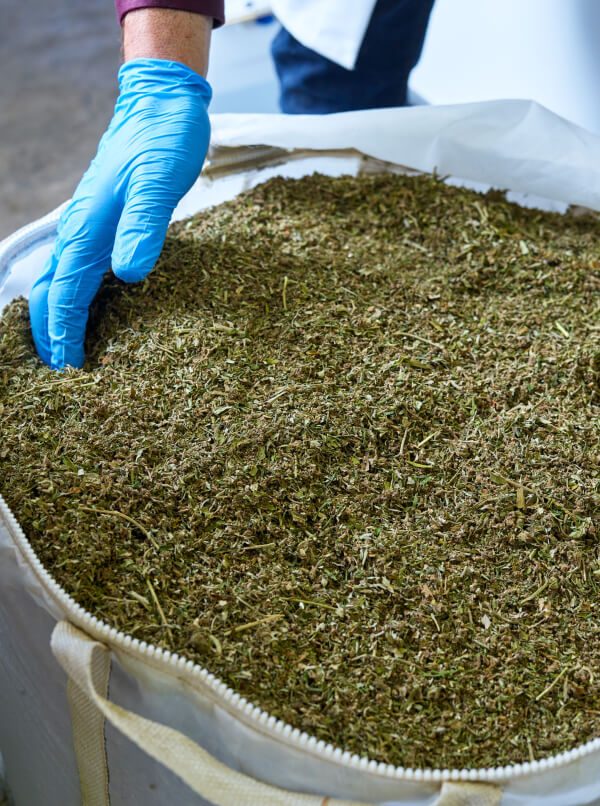
                    Hemp bag for extraction

                    Hemp is being used as a more sustainable alternative to common practices in a variety of industries.

                    While this chart showcases the many remarkable uses for hemp, extracting CBD oil is, by far, the most profitable use for hemp biomass. Current market estimates place the value of CBD oil ranging from $700 to $2500 per kilogram, depending on purity and whether specific compounds have been removed or isolated.

                    The Benefits and Uses of CBD Oil

                    Oil extracted from hemp biomass contains a variety of compounds that can be used in medicinal, health and wellness, and recreational products. Cannabidiol (CBD) is one of the most popular cannabinoids currently being used by consumers, with products claiming anti-inflammatory, anti-anxiety, and seizure suppressant properties. While researchers and government organizations are still building empirical data to support the use of CBD for a host of human ailments, tons of anecdotal evidence exists to support the benefits of using CBD oil.

                    Demand for CBD Oil

                    As consumer testimonials promoting the benefits of CBD oil spread through the masses, commercial appeal for CBD products is skyrocketing. Many people have begun using nutraceuticals infused with CBD to replace pharmaceuticals, and recreational users are experimenting more and more with these new products. Both of these realities are leading to a continued rise in demand for high-quality CBD distillate.

                    Hemp vs Cannabis

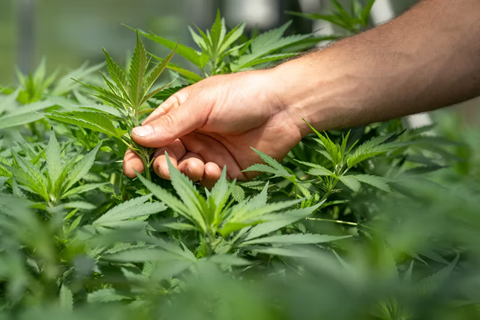
                    While hemp and marijuana are the same species, the marijuana variant has been specifically bred to have a high tetrahydrocannabinol (THC) content. THC is the ingredient that gets you “high”.

                    Hemp contains very little THC, allowing us to capitalize on the many other benefits of the plant without the risk of causing inebriation. It has a wide array of useful applications, from building materials to paper to clothing. Perhaps the most interesting use for this plant, however, is the production and processing of hemp to extract cannabidiol (CBD).

                    The global cannabidiol [CBD] market size is expected to reach USD $13.4 billion by 2028. The market is expected to expand at a CAGR [Compound Annual Growth Rate] of 21.2% from 2021 to 2028.

                    PR Newswire

                    The birth of this industry has created an exciting economic boom in a brand-new market, one that entrepreneurs and engineers alike are flooding to. While hemp has been proving its usefulness to humans for many centuries, advancements in the cultivating, extracting, and infused product industries have created an exciting opportunity for modern companies operating in these spaces.

                    Creating High-Quality CBD Distillate

                    If extracting CBD oil is the most profitable use for hemp biomass, there’s never been a bigger need for innovation in extraction processes and technologies. With a mobile extraction partner like extractX, cultivators and product formulators can position themselves with a strategic partner that will help them continue to grow in this rapidly expanding market.

                    extractX mobile extraction labs are fully certifiable to produce nutraceuticals, pharmaceuticals, and recreational products, and arrive at your facility ready to operate (after a quick installation) within 4 months. If you’re in the business of working with hemp or CBD consumer products, it’s never been a better time to explore a CBD distillate extraction partner.

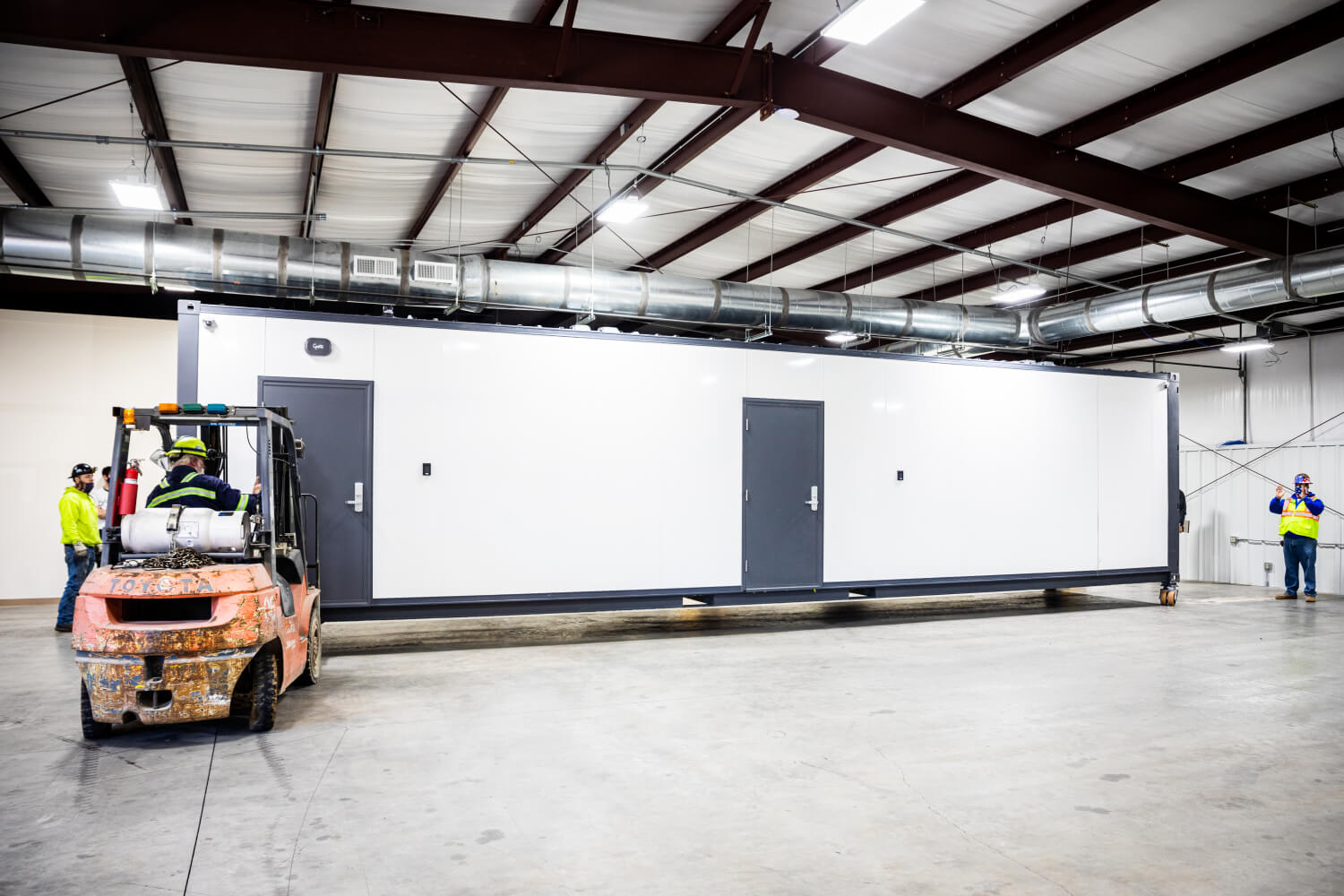
                    Installing mobile lab in partner facility

                    Mobile extraction labs help hemp cultivators and CBD product formulators outsource the extraction process to a trusted partner, keeping them laser-focused on what they do best.

                    If you’re a hemp or cannabis cultivator, processor, or formulator creating CBD or THC products, and want to penetrate markets faster with no lab CapEx, then a mobile extraction lab may be right for you. If you are processing more than 75,000 lbs of biomass per year and are interested in a turnkey extraction lab for $0 lab CapEx and 4 months to installation, we want to talk to you today! Please contact us to learn about becoming an extractX partner.

                    Follow us on social media or sign up for our newsletter for company updates and more content like this.
                      Subscribe to*:

                      Skip to content